Sewing Woman

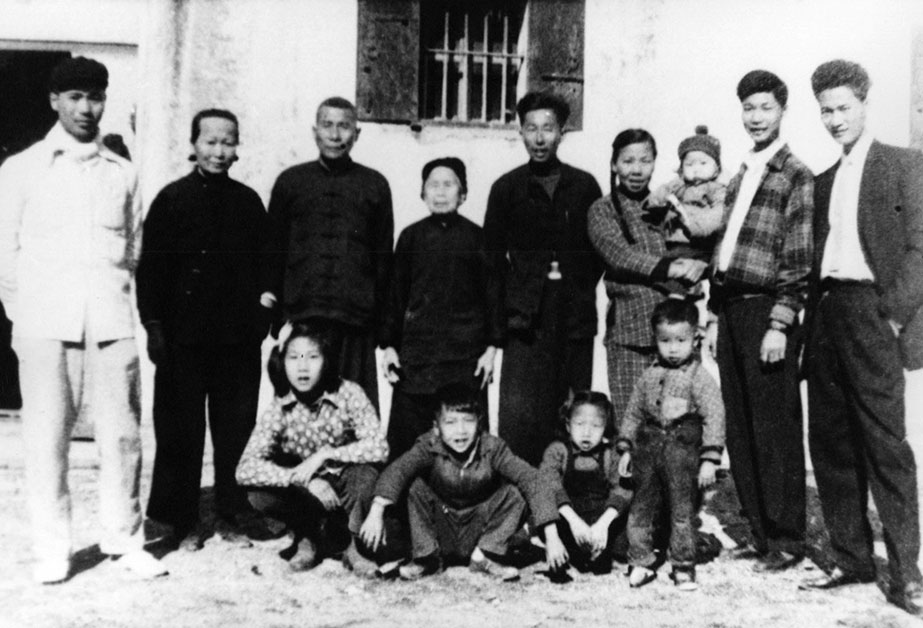
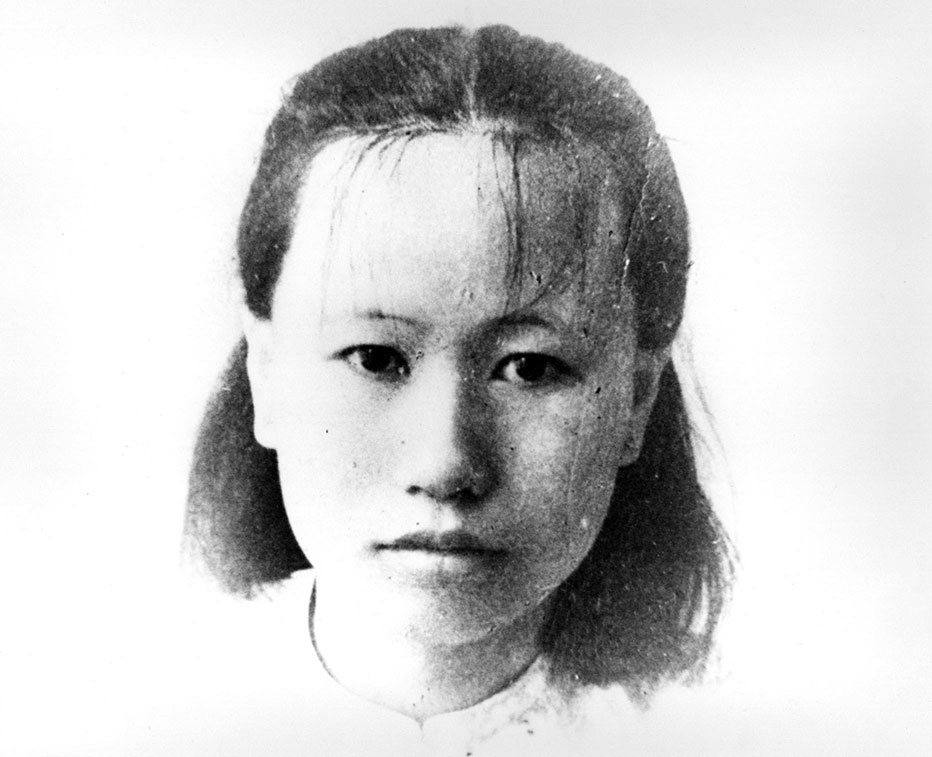
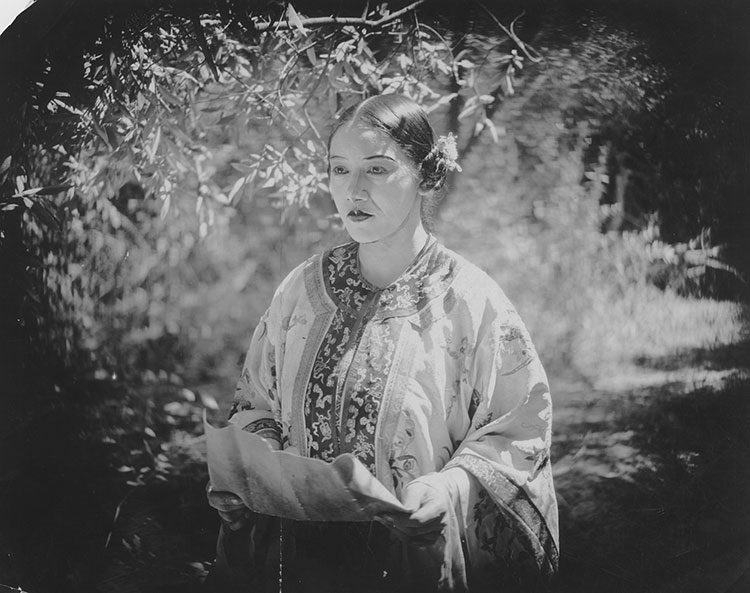
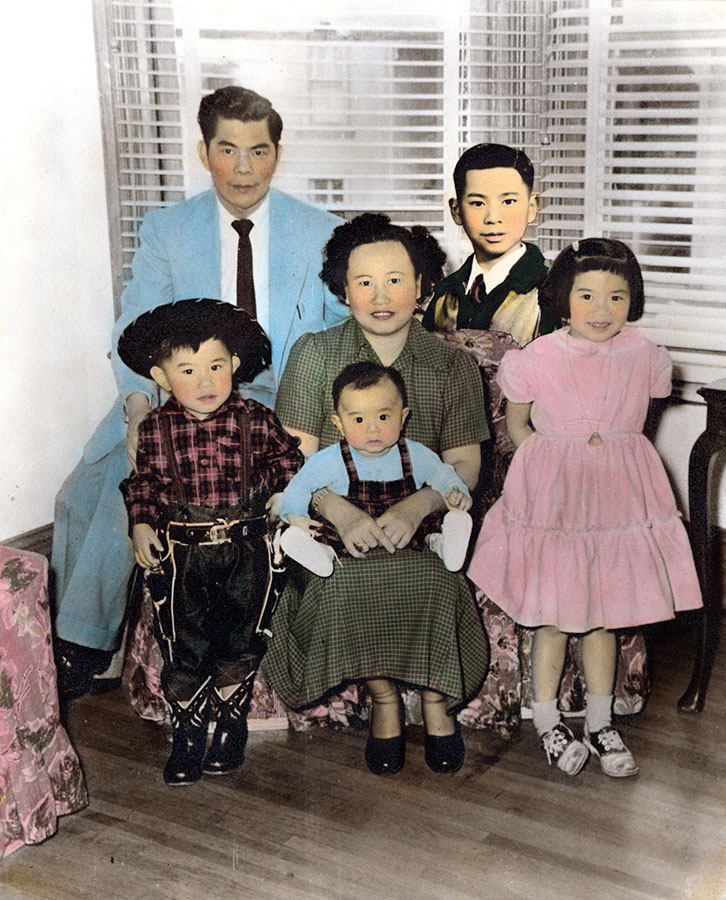
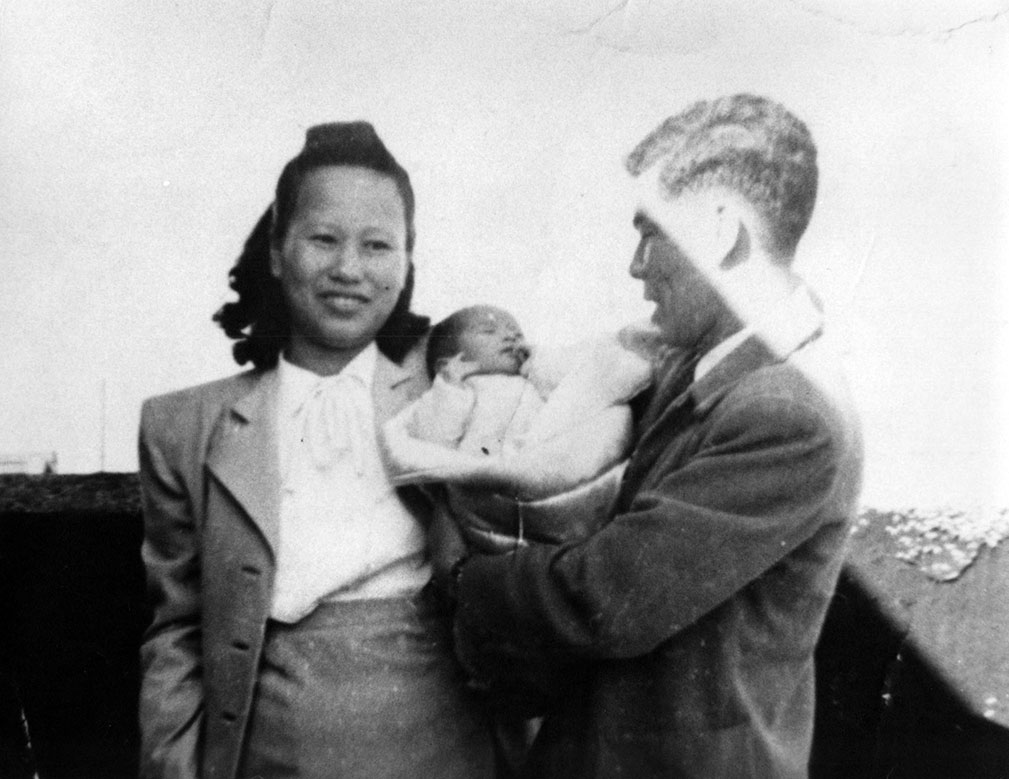
Sewing-Woman-with-first-born-son,-ca-1940,-ChinaSEWING WOMAN chronicles the bittersweet journey of one woman’s determination to survive—from an arranged marriage in old China to working-class stability in modern America. Produced in 1982 and Oscar®-nominated for Best Short Documentary, the film was an early and influential example of personal, diaristic documentary storytelling, using a sustained first-person monologue to center an immigrant woman’s lived experience at a time when such voices were rarely foregrounded in nonfiction film.

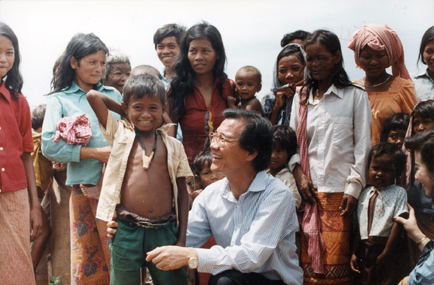
Based on a series of oral histories and the life story of the filmmaker’s mother, Zem Ping Dong—an immigrant who worked in San Francisco garment factories for over thirty years—Sewing Woman is shaped by a candid first-person narrative spoken by veteran actress Lisa Lu (Crazy Rich Asians, The Joy Luck Club, The Last Emperor). Her narration reveals an inner strength guiding a journey through oppressive Chinese customs, U.S. immigration policies, family separation, and the conflicts of assimilation in America. The story is interwoven with rare footage shot in rural villages of China and in the factories of San Francisco Chinatown, along with treasured home movies and intimate family photographs.

Digitally restored by the UCLA Film & Television Archive from the original film negatives and digitally remixed by Jon Milner, Sewing Woman is presented today with pristine images and crystal-clear audio, allowing new audiences to experience its intimacy and power anew.
 

Hollywood Chinese

Featuring

Turhan Bey, Joan Chen, Tsai Chin, Stephen Gong, James Hong, David Henry Hwang, Nancy Kwan, Christopher Lee, Ang Lee, James Leong Jr., Justin Lin, Lisa Lu, Luise Rainer, James Shigeta, Amy Tan, Wayne Wang, B.D. Wong, and the daughters of Violet Wong

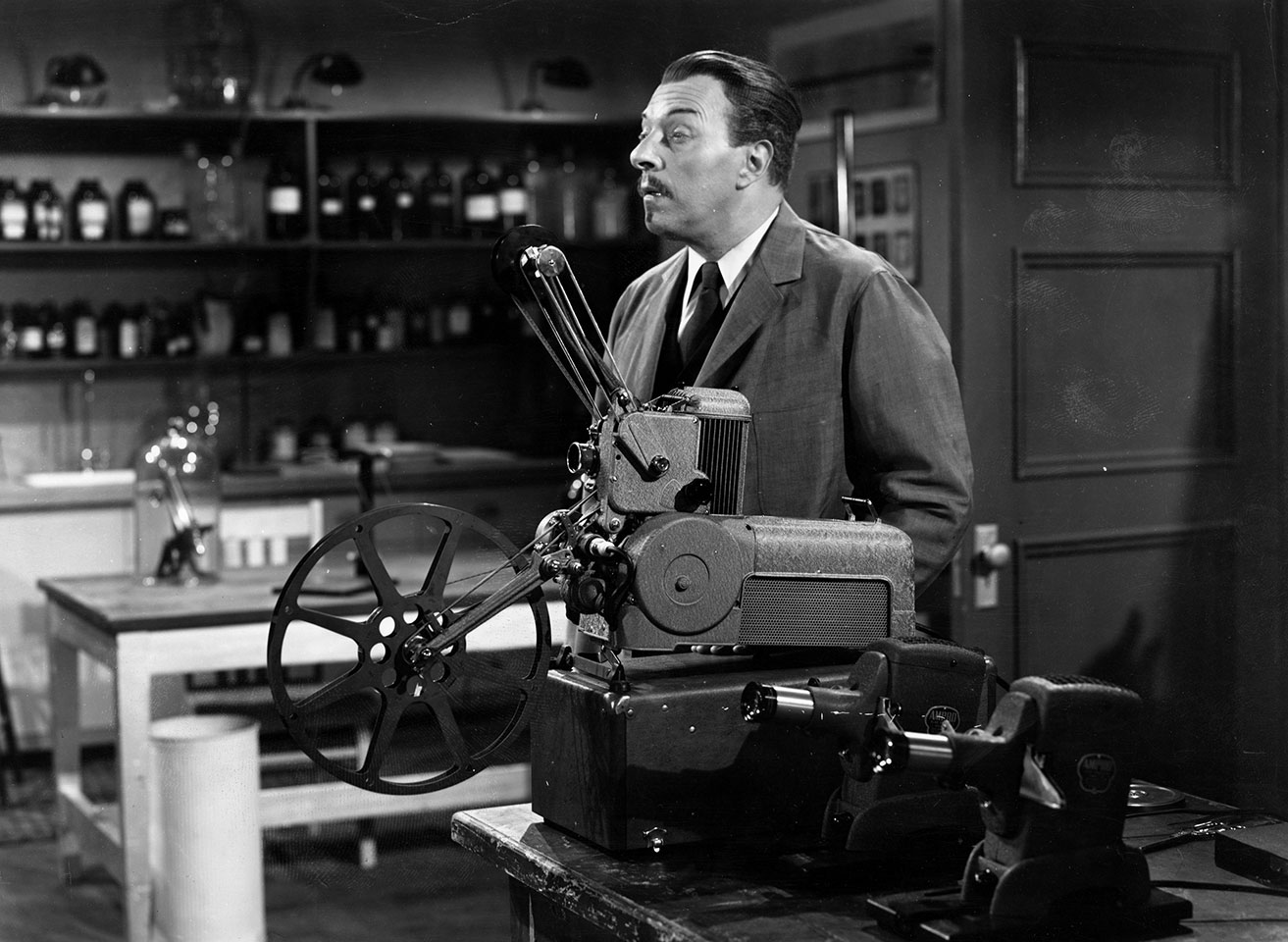
Roland Winters as Charlie Chan in 'The Chinese Ring'

Roland Winters as Charlie Chan in ‘The Chinese Ring’

Lady Tsen Mei in Lotus Blossom

Lady Tsen Mei in Lotus Blossom

荷里活華人

“Forget it, Jake, it’s Chinatown.”   –Chinatown, Screenplay by Robert Towne (1974)

Bruce Lee and Suzie Wong – mention “Chinese in Hollywood” and it’s all about the exotic.

But it’s not.

Hollywood Chinese is a captivating revelation on a little-known chapter of cinema: the Chinese in American feature films. From the first Chinese American film produced in 1917, to Ang Lee’s triumphant Brokeback Mountain nine decades later, Hollywood Chinese brings together a fascinating portrait of actors, directors, writers, and iconic images to show how the Chinese have been imagined in movies, and how filmmakers have and continue to navigate an industry that was often ignorant about race, but at times paradoxically receptive.

Hollywood Chinese is produced, directed, written and edited by Academy Award® nominee and triple Sundance award-winning filmmaker, Arthur Dong (Licensed to Kill, Coming Out Under Fire, Forbidden City, U.S.A.), and presents eleven of the industry’s most accomplished Chinese and Chinese American film artists who share personal accounts of working in film. Ang Lee, Wayne Wang, Joan Chen, David Henry Hwang, Justin Lin, B.D. Wong, Nancy Kwan, Tsai Chin, Lisa Lu, James Hong, and Amy Tan are among the storytellers who have wrestled with being the “other” in Hollywood.

Non-Asian personalities are also featured to point out the controversy over portraying the Chinese in yellow-face. Two-time Oscar® winner Luise Rainer (Good Earth, 1937), character actor Christopher Lee (Fu Manchu, 1960-65), and 1940s matinee idol Turhan Bey (Dragon Seed, 1944) give first-hand recollections on being yellow on the silver screen.

Hollywood Chinese is punctuated with a dazzling treasure trove of clips from over 90 movies, dating from 1890s paper prints up to the current new wave of Asian American cinema. Hollywood Chinese also unearths films long thought to be lost. During the documentary’s production, filmmaker Arthur Dong was led to nitrate reels of what is now acknowledged as the first Chinese American film ever made, The Curse of Quon Gwon (1917). Directed and written by filmmaker Marion Wong, it is also one of the earliest films made by a woman and was recently placed on the National Film Registry by the Library of Congress.

At once humorous, maddening, and inspiring, Hollywood Chinese weaves a rich and complicated tapestry, one marked by unforgettable performances and groundbreaking films, but also one tainted by a tangled history of race and representation.

    The Killing Fields of Dr. Haing S. Ngor

    “This is unbelievable and I thank Warner Bros. for helping me tell my story to the world and let the world know what happened to my country.

    –Dr. Haing S. Ngor
    Oscar® speech for Best Supporting Actor in The Killing Fields

    វាលពិឃាត វេជ្ជ. ហ៊ាំង ង៉ោ

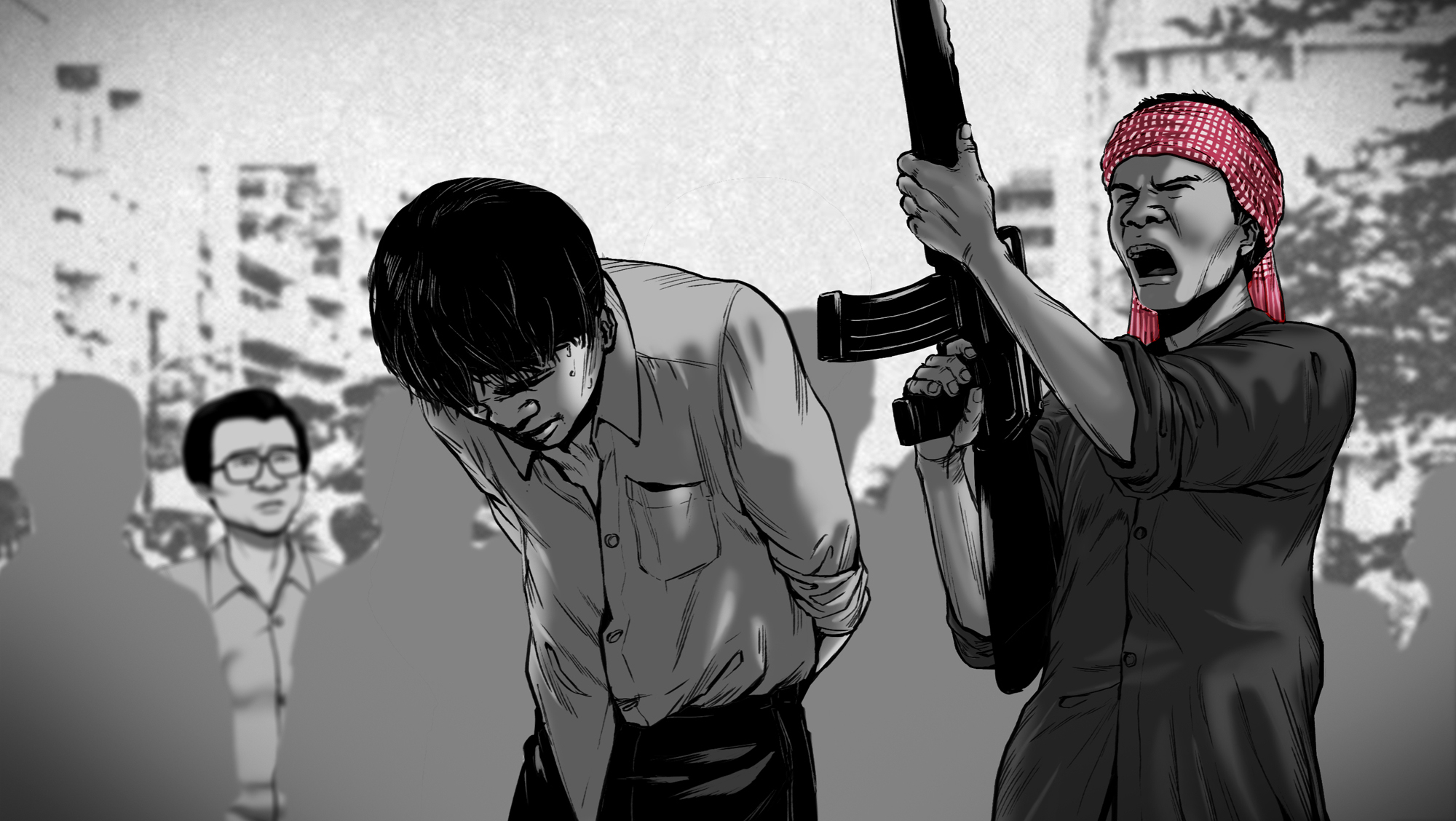
    An animated scene from The Killing Fields of Dr. Haing S. Ngor. Illustration by Yori Mochizuiki.When Dr. Haing S. Ngor was forced into labor camps by the Khmer Rouge, little did he know he would escape four years of torture and be called upon to recreate his experiences in a film that would earn him an Academy Award®. For the Chinese-Cambodian doctor, “Nothing has shaped my life as much as surviving the Pol Pot regime. I am a survivor of the Cambodian holocaust. That’s who I am.” And little did anyone know that some twenty years later, Dr. Ngor would be gunned down in a Los Angeles Chinatown alley. How could it be that he would survive the tyranny of the Khmer Rouge, only to be murdered by gangbangers in America?

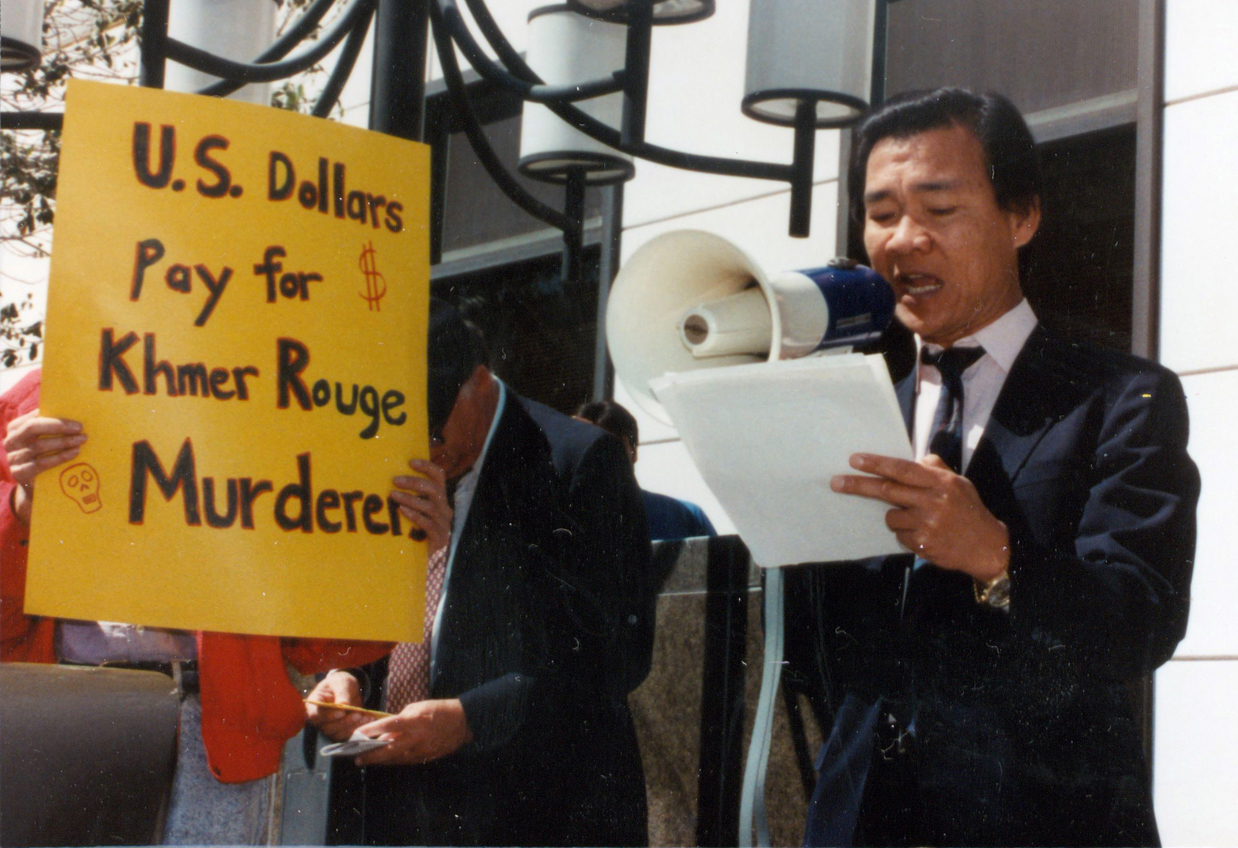
    Dr. Ngor speaks out on U.S. Involvement in Cambodia. Courtesy the Dr. Haing S. Ngor Archive.The Killing Fields of Dr. Haing S. Ngor opens with a shot panning along stacks of irregular cardboard boxes in a musty Long Island basement. Sophia Ngor, niece and surrogate daughter to Dr. Ngor, and family friend Jack Ong rummage through the cases, which contain the slain physician’s last remaining possessions. From there, we embark on a journey that traces Dr. Ngor’s remarkable life – from rice fields in Phnom Penh to Oscar® gold in Hollywood. At a time when The Killing Fields (1984) movie would be the world’s first wake-up call to the horrors of the Khmer Rouge, Dr. Ngor used his Hollywood celebrity status to become the de facto “face of Cambodia” and commanded global attention to the devastation of his homeland. From 1975 to 1979, the Khmer Rouge’s social experiment to transform the country into a communist agricultural utopia caused the deaths of some two million Cambodians who perished from mass starvation, forced labor, torture, slavery, ethnic cleansing, and political executions.

    Dr. Haing S. Ngor provides humanitiarian aid in Cambodia. Photo by Jack Ong, courtesy The Dr. Haing S. Ngor Archive.Dr. Ngor was an early and staunch advocate for a Khmer Rouge tribunal, a process that finally began in 2009 and is still mired by political maneuvers. He opened an orphanage in Phnom Penh, built a schoolhouse in his home village, and delivered humanitarian aid to refugee camps. He publicly admonished world governments for ignoring the plight of his countrymen. Ultimately, Ngor’s story is a survivor’s story: of love, loss, and reconciliation – inspired by memories of his wife who died in childbirth while under captivity.

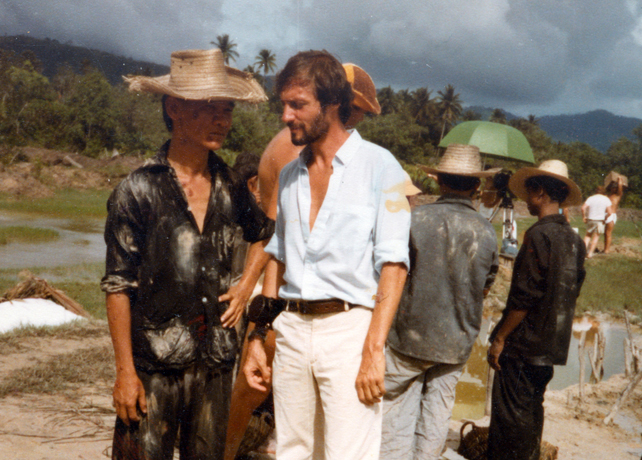
    Director Roland Joffe and Dr. Ngor on the set of The Killing Fields. Courtesy the Dr. Haing S. Ngor Archive.Produced, directed, written, and edited by Oscar®-nominated and triple-Sundance award-winning filmmaker Arthur Dong, The Killing Fields of Dr. Haing S. Ngor is a singular documentary on one of the most well-known survivors of the Cambodian genocide. It uses an iconic movie, The Killing Fields, as a springboard to combine history and biography into a dramatic transnational narrative. The feature-length film fuses animation with the spoken word, interlacing a rich palette of archival material. Anchored by an adaptation of Ngor’s richly layered autobiography, Survival in the Killing Fields (co-authored with Roger Warner), the film serves as a personal indictment of the global politics that were thrust upon Southeast Asia, and the consequences that continue to surface today as Cambodia grabbles with corruption, poverty, and the impunity of aging former Khmer Rouge leaders still at large.

    The Killing Fields of Dr. Haing S. Ngor was supported by funds from the National Endowment for the Humanities, Cal Humanities, the Sundance Institute/John D. and Catherine T. MacArthur Foundation Initiative, and the Center for Cultural Innovation.

      Photo captions, credits, top to bottom:
      An animated scene from The Killing Fields of Dr. Haing S. Ngor. Illustration by Yori Mochizuiki.
      Dr. Ngor speaks out on U.S. Involvement in Cambodia. Courtesy the Dr. Haing S. Ngor Archive.
      Dr. Haing S. Ngor provides humanitiarian aid in Cambodia. Photo by Jack Ong, courtesy The Dr. Haing S. Ngor Archive.
      Director Roland Joffe and Dr. Ngor on the set of The Killing Fields. Courtesy the Dr. Haing S. Ngor Archive.

      Forbidden City, USA


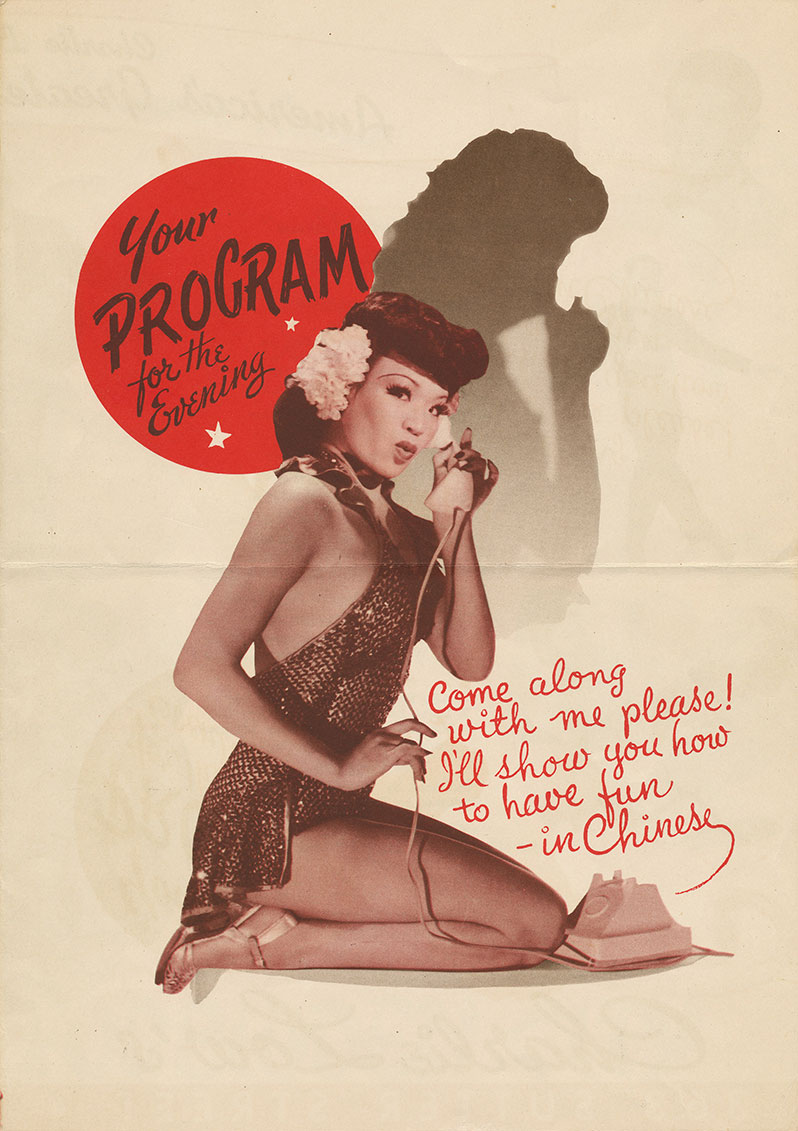
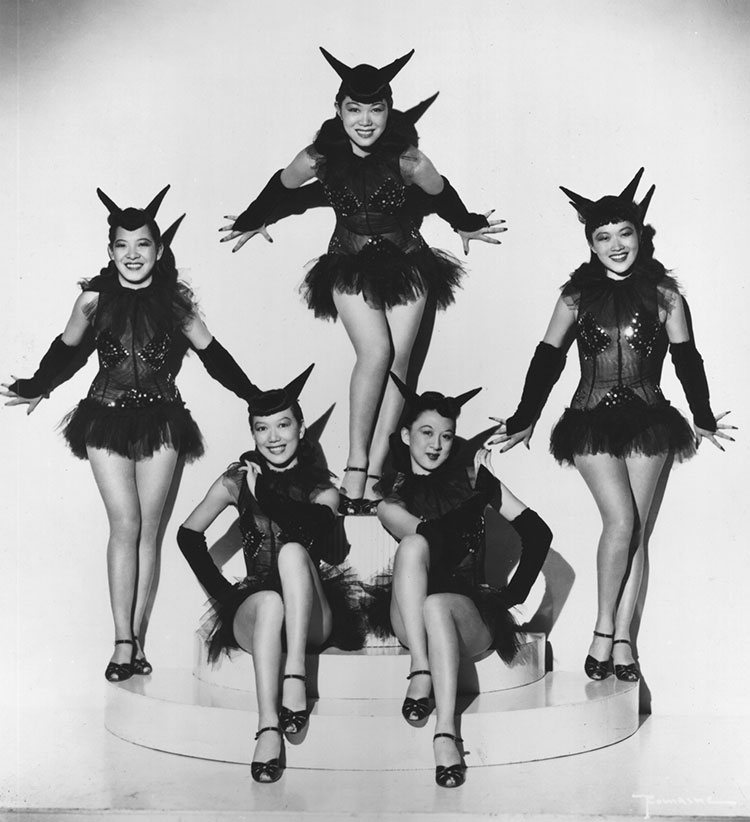
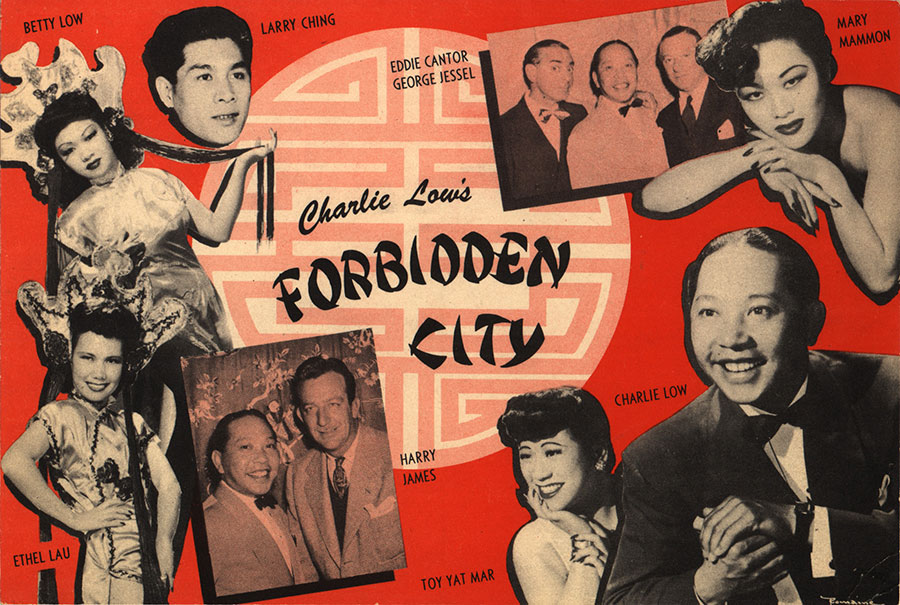
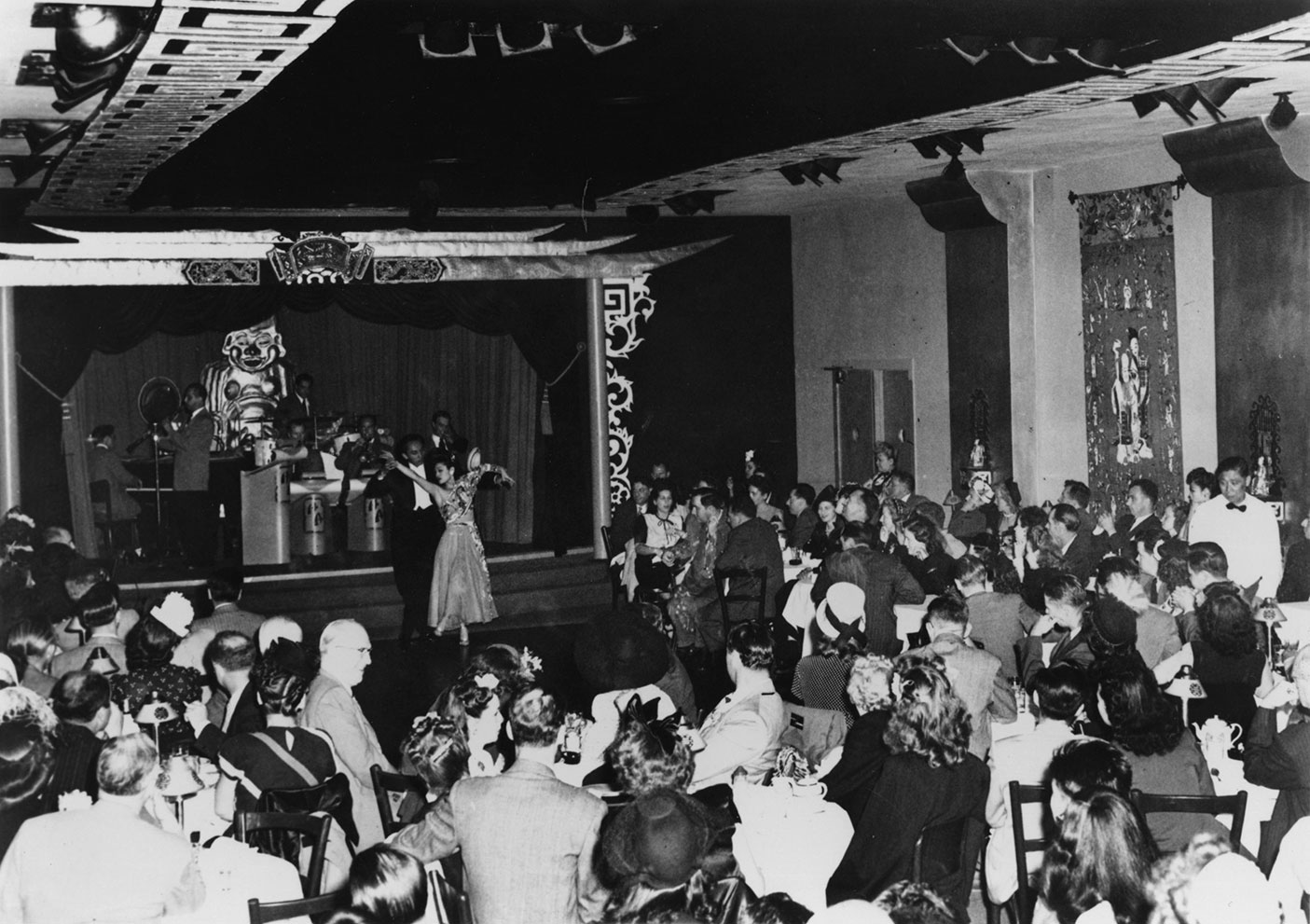
      FC-Program-Cover-Lily-PonIt was the swinging 30s. The big bands of the 40s. It was San Francisco night life – Baghdad by the Bay. And the crowds were packing the nation’s premiere all-Chinese nightclub, Forbidden City. Like the Cotton Club of Harlem which featured America’s finest African American entertainers, Forbidden City gained an international reputation with its unique showcase of Chinese American performers in eye-popping all-American extravaganzas.

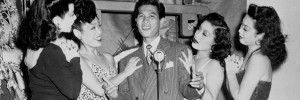
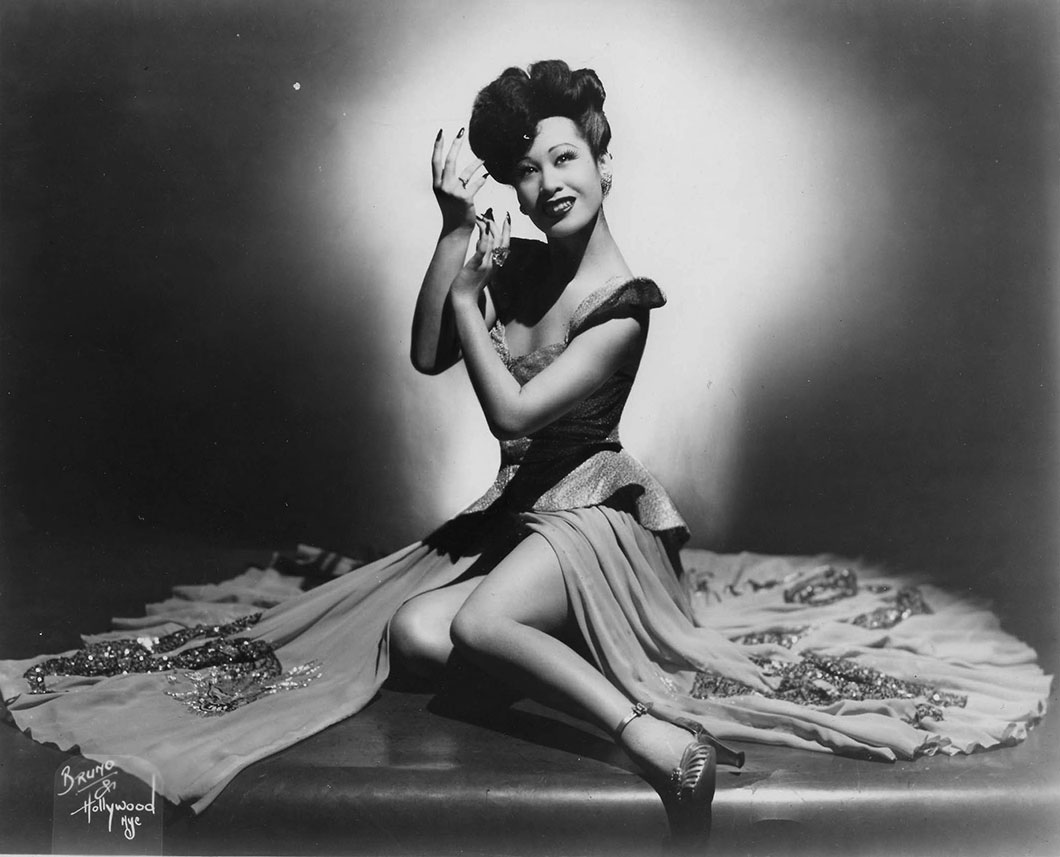
      Forbidden City, U.S.A. captures this little-known chapter of entertainment history and puts it center stage, featuring a cast of original nightclub performers. “The Chinese Sinatra”, “the Chinese Sophie Tucker”, and the “Chinese Sally Rand” are just some of the spirited personalities that strut their stuff and share triumphant and often side-splitting tales of adventures in the cabarets of yesteryear.

      Everyone knew about Chinese laundries and cooks. But a Chinese tap dancer? A Chinese jazz crooner? And for a Chinese girl to bare her legs in public? It was considered immoral by elders in the culturally isolated Chinatowns of the 1930s-40s.

      Forbidden City, U.S.A. reveals a generation of Asian American pioneers who fought cultural barriers and racism to pursue their love of American song and dance. For the first time ever, original recordings and film performances long buried in studio vaults and private collections are highlighted alongside real life stories in this groundbreaking film.

      From ballroom dancers to bubble dancers, from “Some of These Days” to “How High the Moon,” it’s all here…with a new slant!