The Curse of Quon Gwon
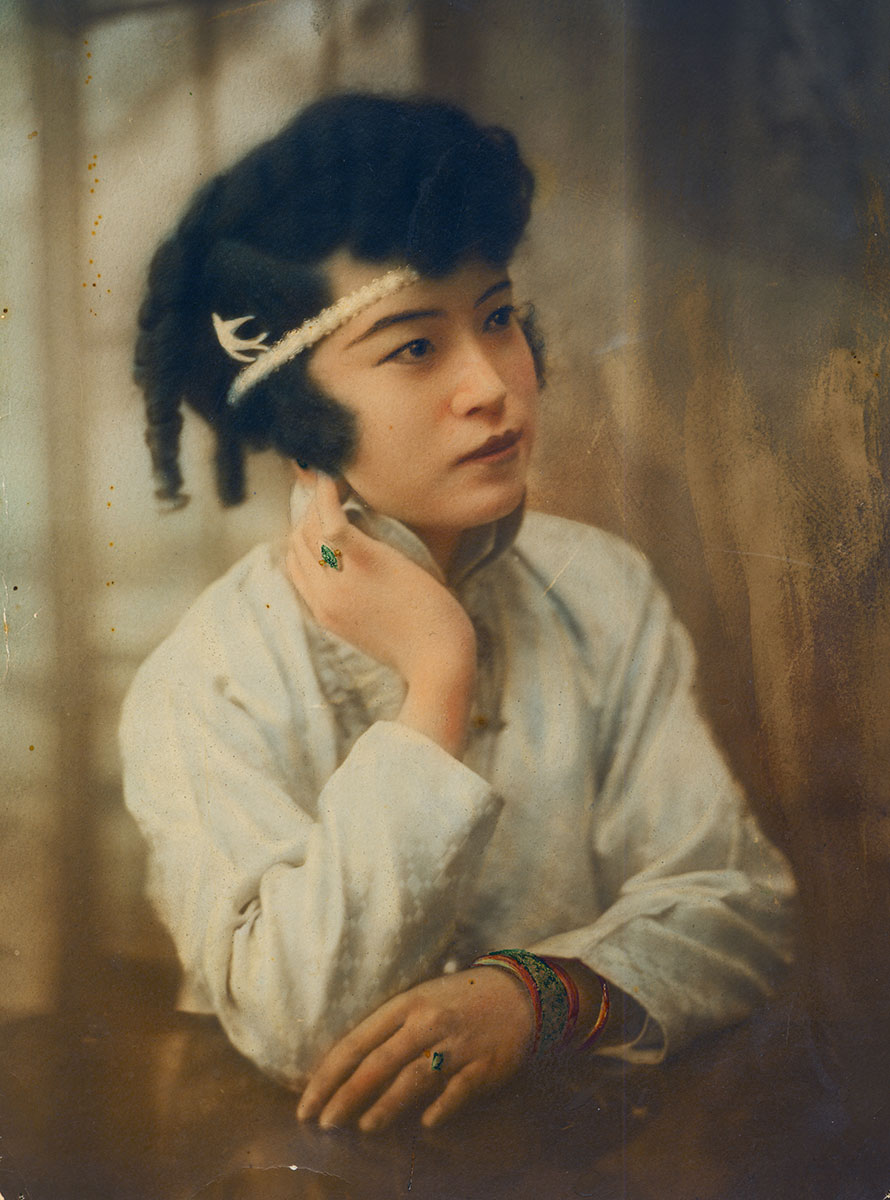 The Curse of Quon Gwon is the earliest example of Chinese American filmmaking known to exist today, and it is also one of the few American silent feature films made by a woman. Written and directed by Marion Wong, it was produced in 1916-17 by the Mandarin Film Company in Oakland, California. Wong, born 1895 in San Francisco, also plays the film’s apparent villainess. Many of the actors in the movie are family members, including Wong’s sister-in-law, Violet Wong (the heroine), and Marion’s mother, Chin Shee (the elder matron). Other family members were involved in different aspects of the film’s production, including costuming and finance. Actor Harvey Soo Hoo plays the male lead.
In 2004, during his research for Hollywood Chinese, filmmaker Arthur Dong was led to the only known existing material from The Curse of Quon Gwon. He discovered two surviving nitrate reels in the possession of the daughters of Violet Wong, lead actress in the film (the daughters are featured in Hollywood Chinese). They also had a 16mm print, which contained the same 35mm material plus an additional 10 minutes of footage. Dong was authorized to bring the material to the Academy Film Archive for preservation, returning this rare glimpse of early 20th Century cinematic work to its place in film history.
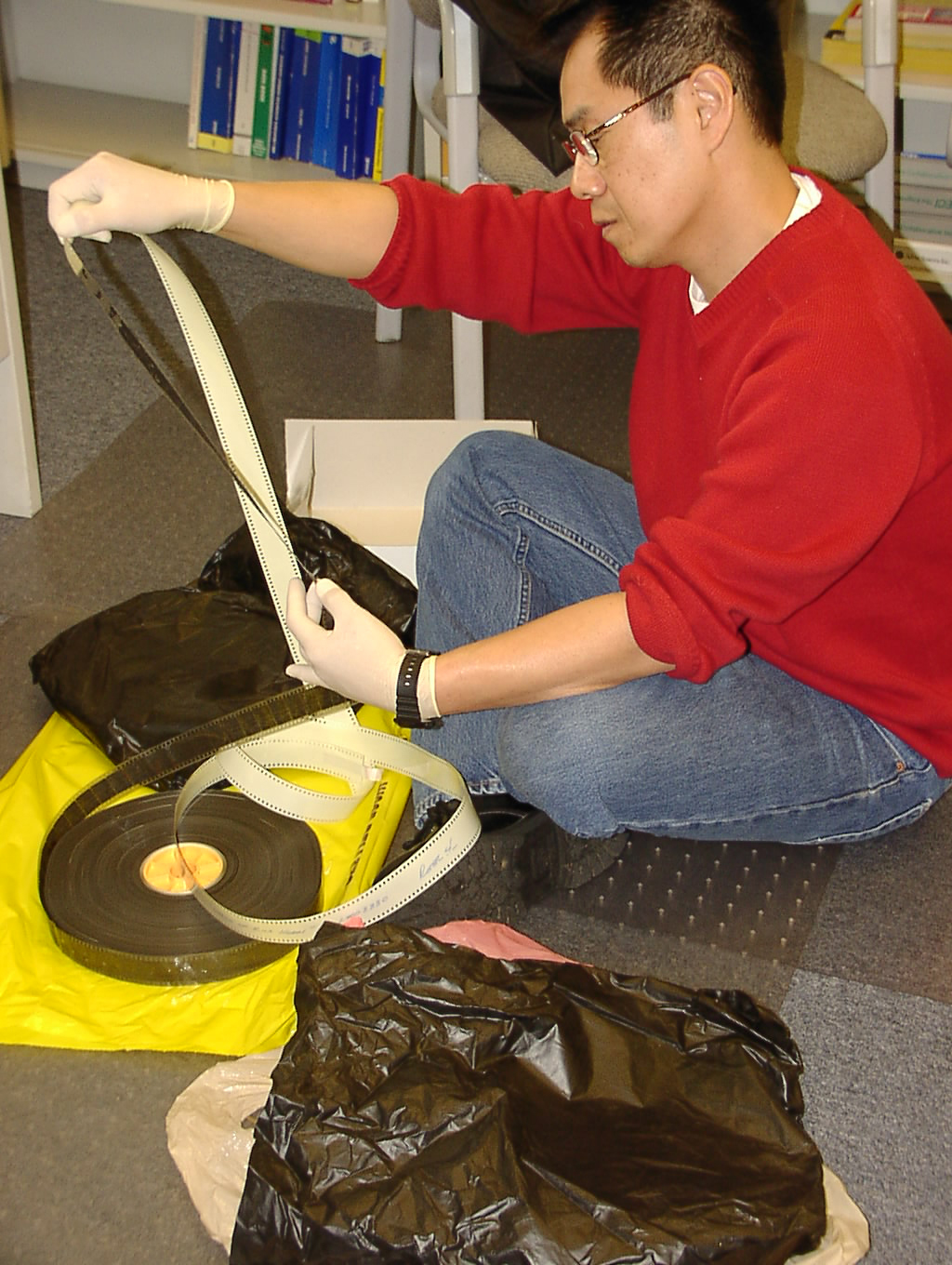 “I was astonished,” recalls Dong. “It’s like digging up an unknown species of dinosaurs. To actually locate these moving images on film and to meet descendants of the filmmakers inspired me to continue with the completion of Hollywood Chinese – this chapter of history confirms, for the first time, the contributions of Chinese Americans in the formative years of America’s film industry.”
But this type of discovery actually wasn’t new for Dong. For his earlier documentary on Chinese American nightclubs in 1940s San Francisco, Forbidden City, U.S.A. (1989), Dong also unearthed some archival gems. He recalls, “It was during my third meeting with Charlie Low, owner of the famed Forbidden City nightclub in San Francisco. As I’ve done before, I asked if he had any footage of the club. Perhaps by now he trusted me, or maybe he just remembered, but he took me to his closet and pulled out a shopping bag of film reels. ‘Take it, but I’m not sure what you’ll find,’ he said.” In the bag were 8mm commercial titles, home movies, and incredibly, several 16mm reels of performances, some in color. To date, this is the only footage that exists of a phenomenon when Chinese nightclubs were the hot spots of World War II San Francisco.
 The restored print of The Curse of Quon Gwon is incomplete. The original may have been seven or eight reels in length, as the surviving two nitrate reels were numbered reels four and seven. There are no existing intertitles in the original negative, but frames with sequential numbers indicate where the intertitles might have been inserted. The 16mm print looks to be derived from this original negative, as it has the exact same numbered frames. As to the language of the intertitles, they were most likely in English as the opening title card is only in English. The preservation print restored by the Academy Film Archive runs 35 minutes.
So far no existing script has been located. However, according to the July 17, 1917 issue of The Motion Picture World, the film “deals with the curse of a Chinese god that follows his people because of the influence of western civilization. The first part is taken in California, showing the intrigues of the Chinese who are living in this country in behalf of the Chinese monarchical government, and those who are working for the revolutionists in favor of a Chinese republic. A love story begins here and is carried through the rest of the production.”
In 2006, representing the Academy of Motion Picture Arts & Sciences on the National Film Preservation Board of the Library of Congress, Dong succeeded in placing The Curse of Quon Gwon on the National Film Registry. Only 25 films are named annually, and the selection of a film recognizes its importance to American movie and cultural history. Four years later, Dong commissioned noted silent film composer and performer, Judy Rosenberg, to create a new score for the film. The Curse of Quon Gwon is now as complete as possible and ready to be screened. Hopefully, more information and possibly other reels of the film will surface in the years to come.
LEARN MORE: Marion Wong and The Curse of Quon Gwon are the subjects of a fully-illustrated chapter in the book, Hollywood Chinese: The Chinese in American Feature Films.
Licensed to Kill
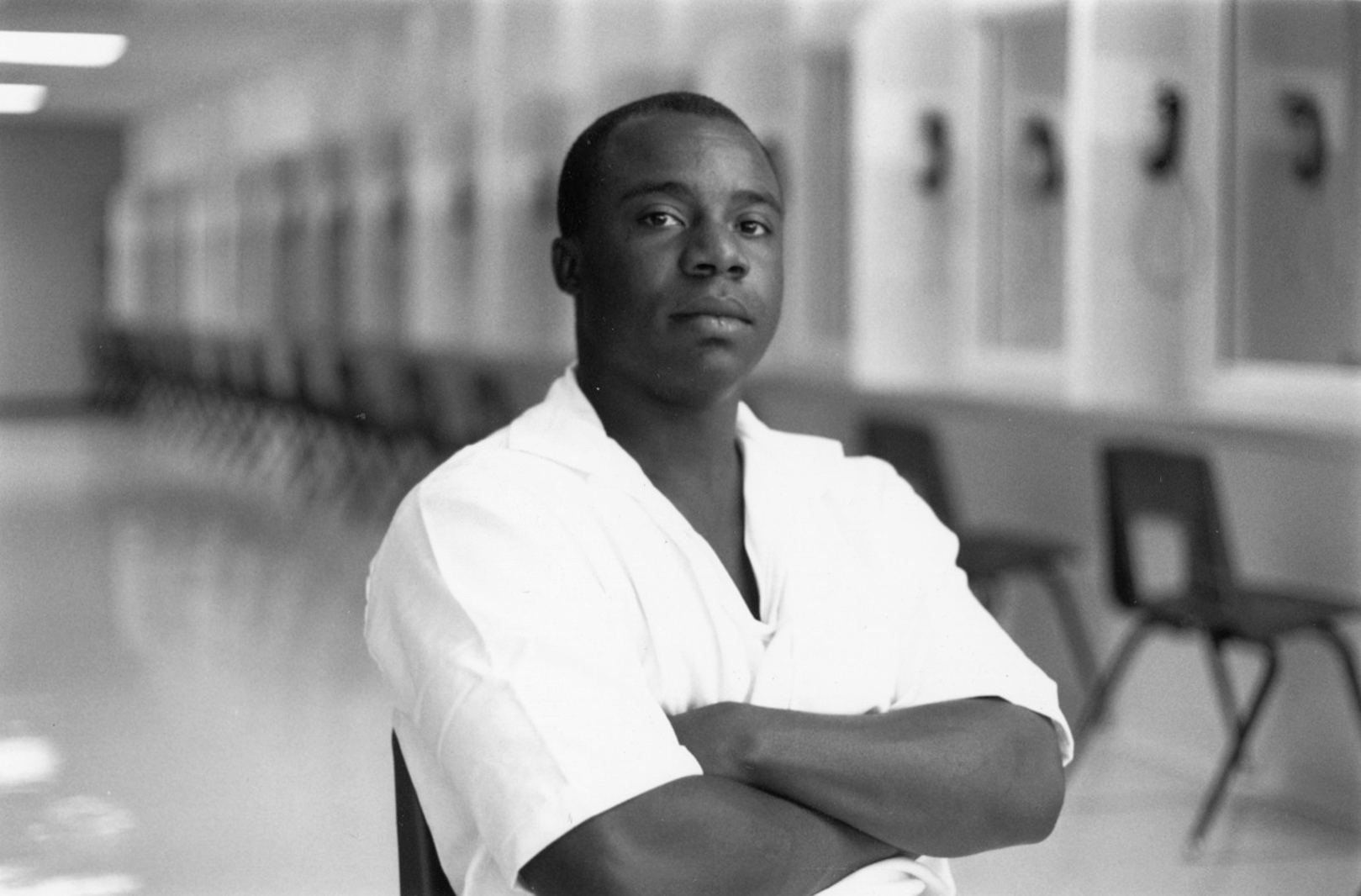 Licensed To Kill takes a riveting journey into the minds of men whose contempt for homosexuals led them to murder. Attacked in 1977 by gay bashers on the streets of San Francisco, filmmaker Arthur Dong confronts murderers of gay men face-to-face in his film. He asks them directly: “Why did you do it?”
Probing on-camera interviews with seven convicted killers behind bars propel the narrative drive of Licensed To Kill. These inmates include a wide range of distinct profiles: a young man who claims he justifiably killed as protection from his victim’s sexual advances–a defense known as “homosexual panic”; a self-loathing, religious gay man who killed because of his own homosexual tendencies; a victim of child abuse who feared losing his manhood; an army sergeant angry over the gays in the military debate; and a self-described homeboy looking for easy prey.
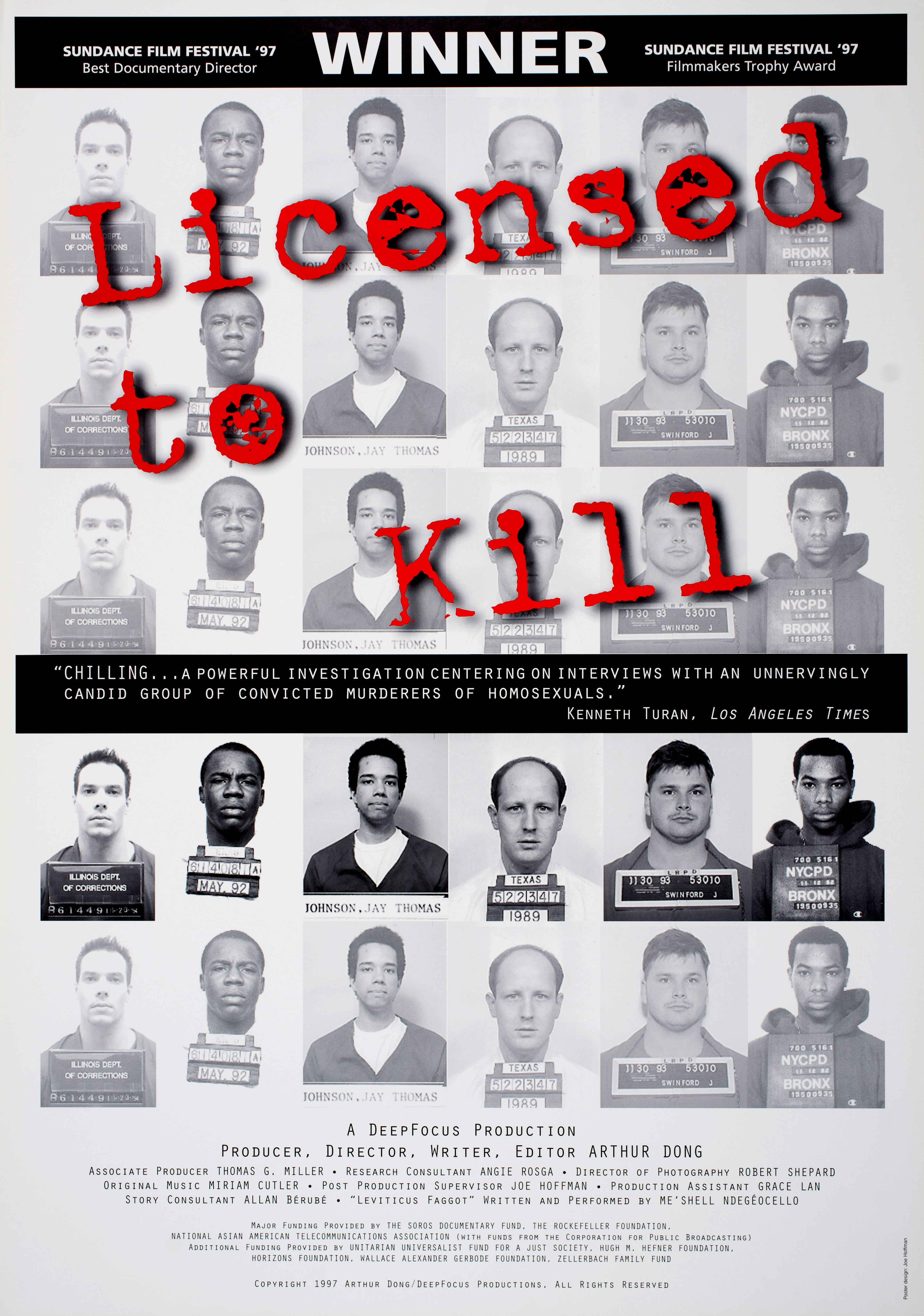
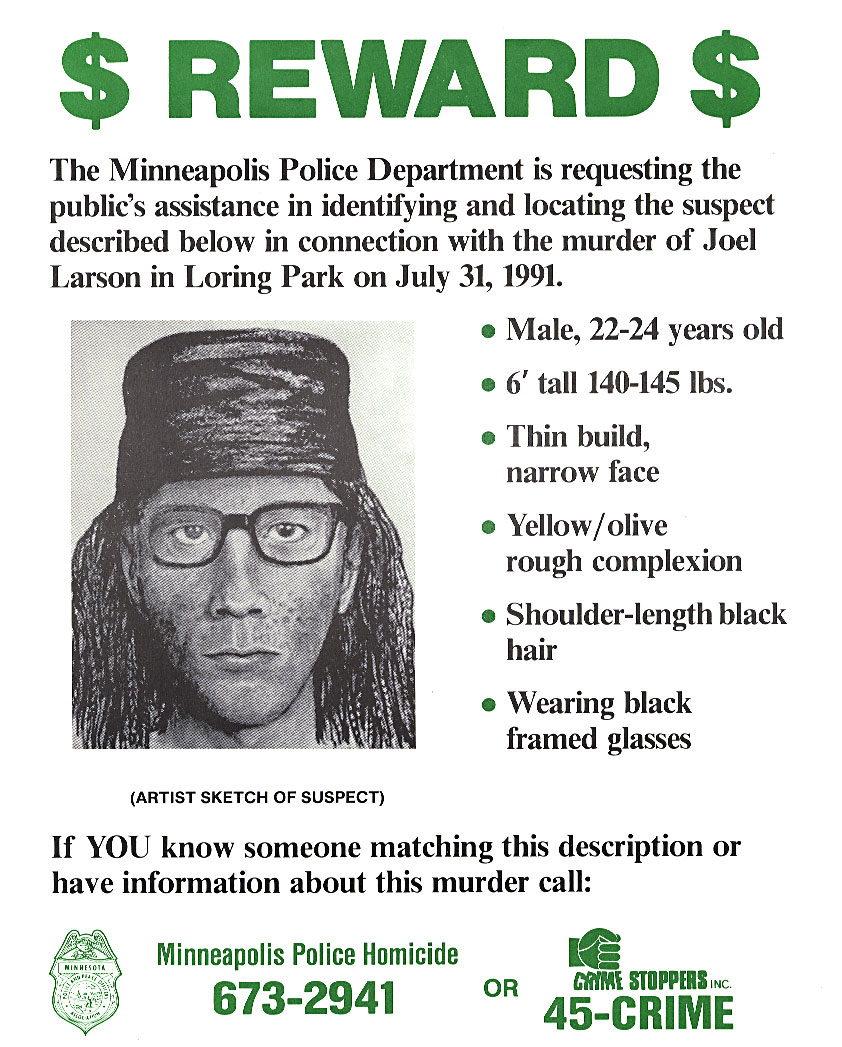 Licensed To Kill is an uncompromising investigation into the roots of anti-gay violence. As seen through the eyes of murderers, the film examines the social, political and cultural environments of these men and questions whether society had given them a “license to kill” homosexuals.
Licensed To Kill is a powerful fusion of elements from a number of sources: the interviews themselves; videotaped confessions of perpetrators; news reports; court room scenes; graphic evidence from police files; home and police videos of actual gay bashings and killings; and childhood photos of the murderers. These and other graphics are layered with on screen text which punctuate the hard facts of the killings.
 Licensed To Kill was funded by the Soros Documentary Fund of the Open Society Institute, the Rockefeller Foundation, the National Asian American Telecommunications Association (NAATA), the Unitarian Universalist Fund for a Just Society, the Paul Robeson Fund, the Hugh M. Hefner Foundation, the Horizons Foundation, the Zellerbach Family Fund, and the Wallace Alexander Gerbode Foundation. Licensed To Kill was sponsored by the Film Arts Foundation in San Francisco.
Coming Out Under Fire
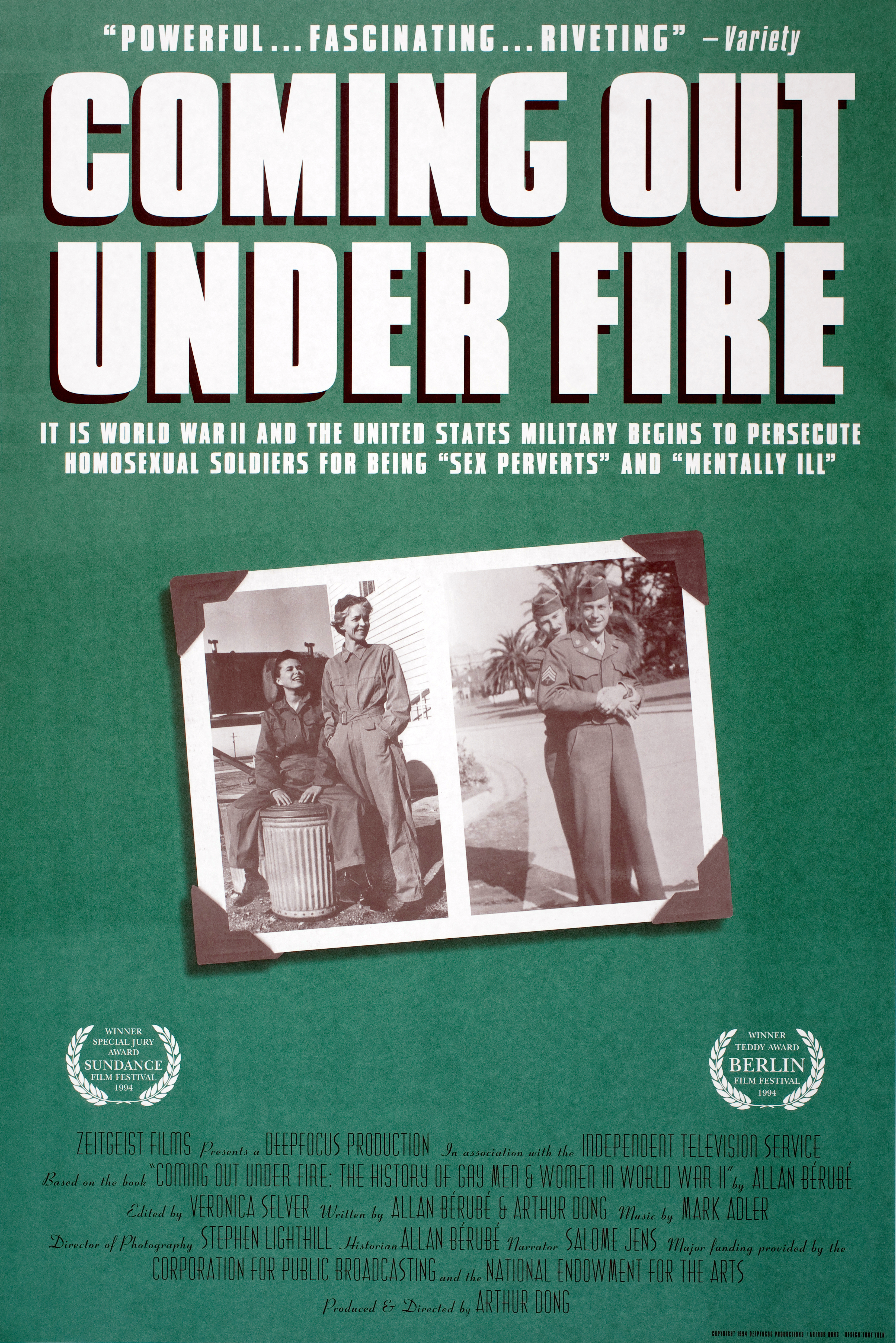
Theatrical poster, designed by Tony Yuen.
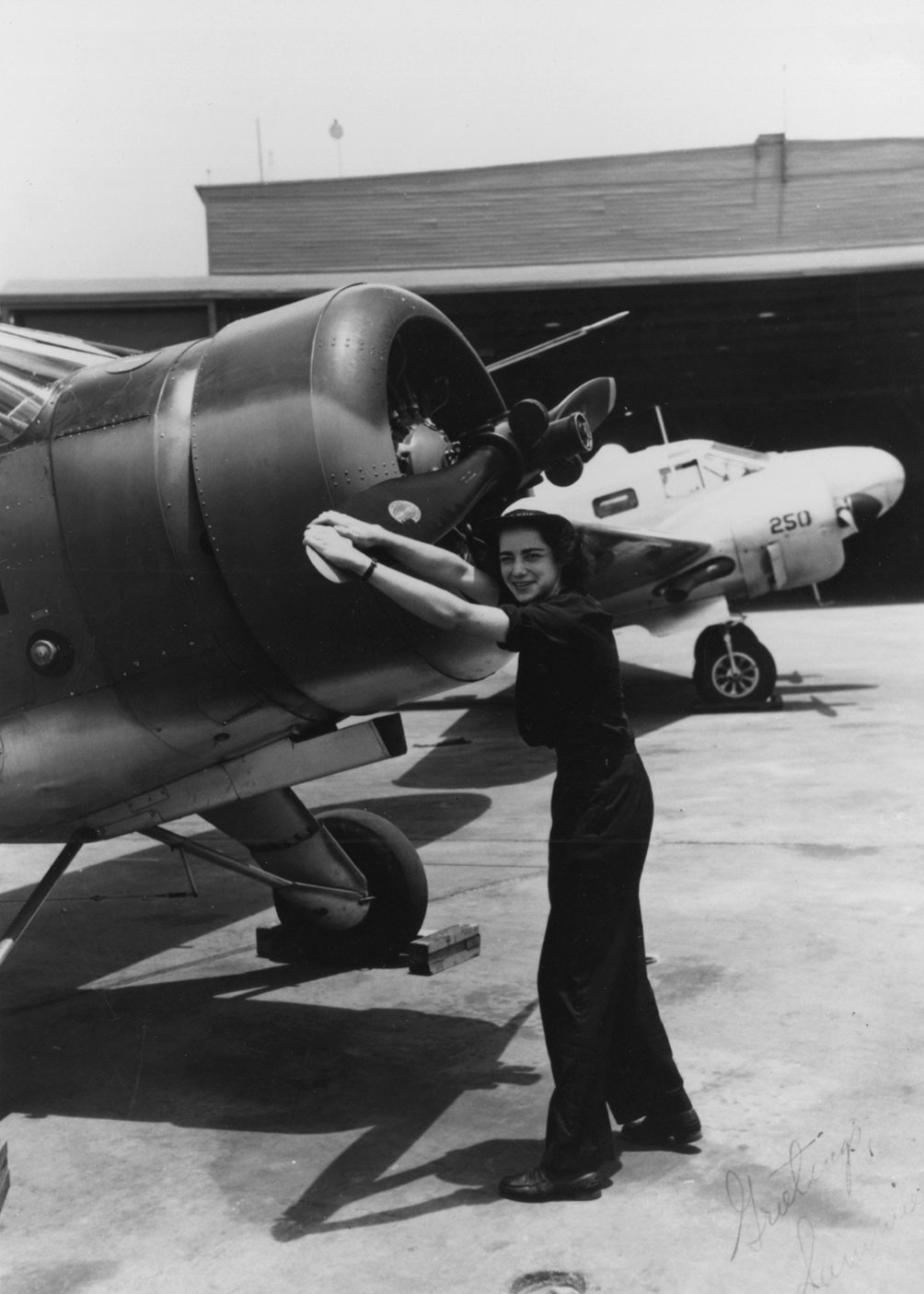
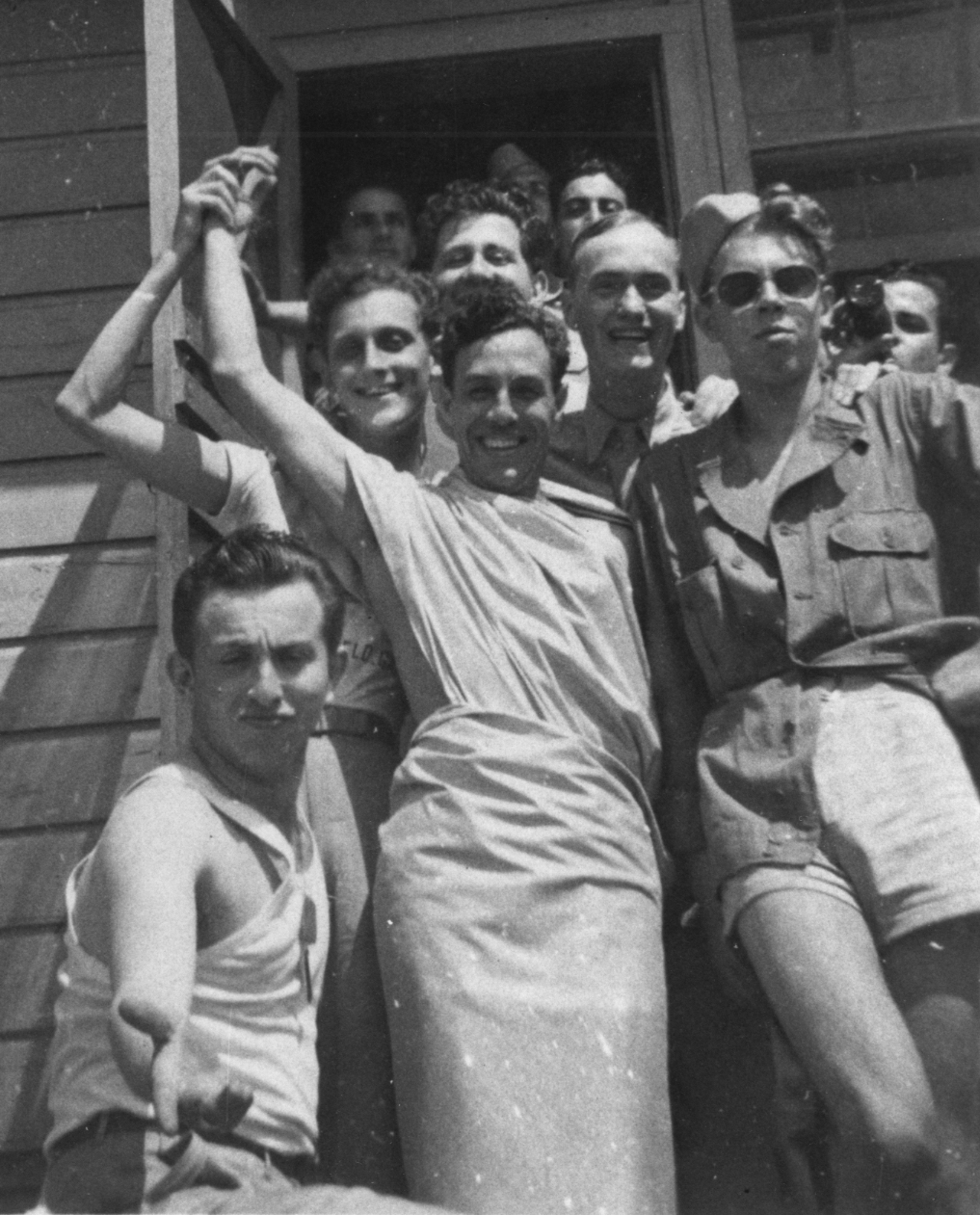
Coming Out Under Fire features nine gay and lesbian veterans who recount how they joined the patriotic war against fascism in the 1940s only to find themselves fighting two battles: one for their country and another for their right to serve. They first remember warm and entertaining stories of finding each other in a compulsory heterosexual environment and reminisce over tales of first love and deep friendships. Their good times were short-lived, however, as they became targets of newly created anti-homosexual policies which called for witch hunts, dehumanizing interrogations, involuntary psychiatric treatments, and the incarceration of suspected homosexuals into “queer stockades.” The final humiliation was a dishonorable discharge which stripped a soldier of all veterans benefits as well as being officially branded a “sex pervert” for life.
Coming Out Under Fire is based on the ground-breaking book by MacArthur “Genius Grant” recipient, Allan Bérubé, and integrates compelling on-camera interviews with declassified military documents and archival footage on sex education, mental h
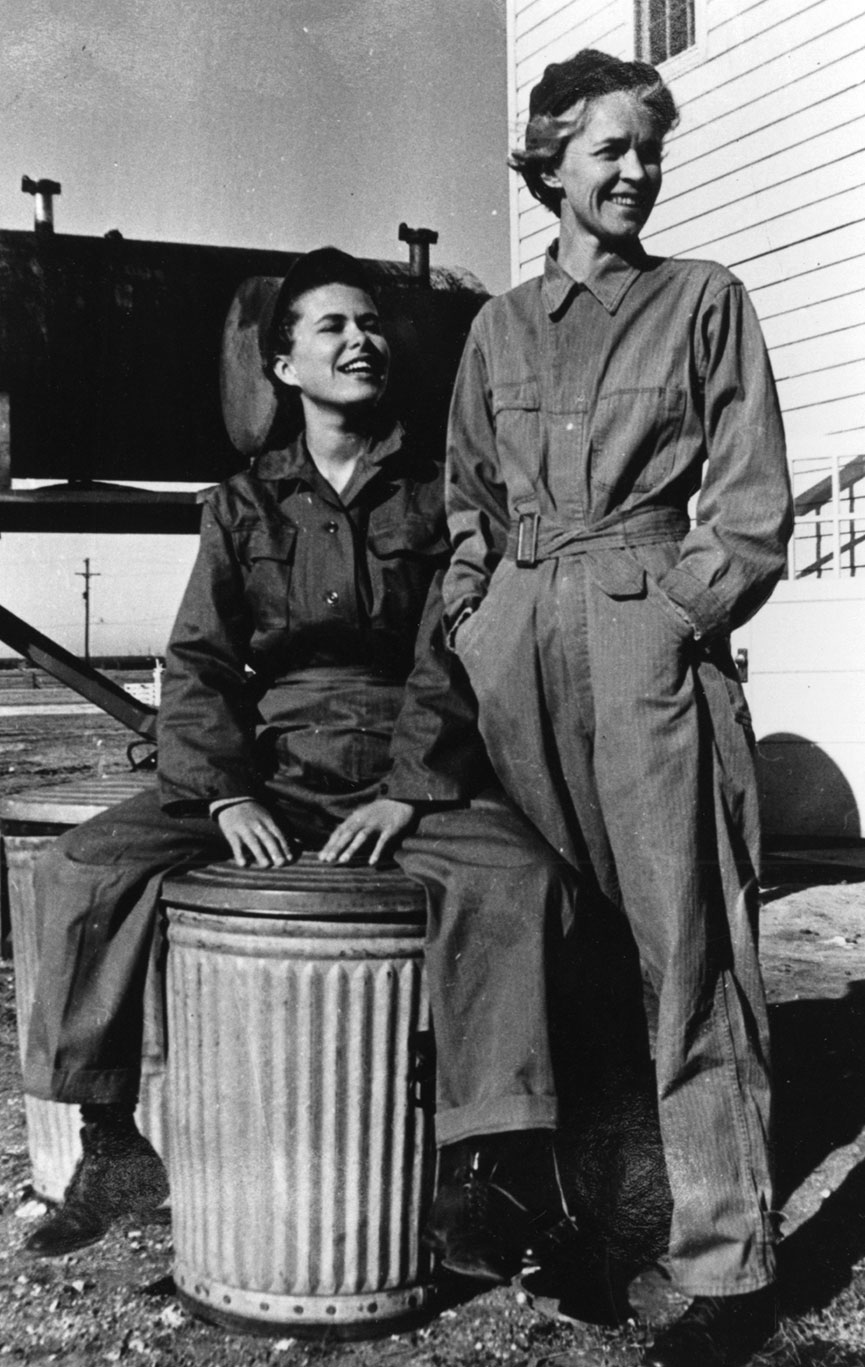
Phyllis Arby & Mildred, Women’s Army Corps – WW2
ealth, prison compounds, and court martial hearings. It probes the origins of the military’s anti-homosexual policy to document how pseudo-psychiatry, erroneous medical theory, and misplaced ethics masked a policy based on nothing short of prejudice. Coming Out Under Fire concludes with riveting scenes from 1993 U.S. Senate hearings which expose how the American government continues to justify and reaffirm it’s 50-year-old system for persecuting homosexual service personnel. The final outcome: today’s Congressionally mandated “don’t ask, don’t tell” compromise only serves to perpetuate the real problem — bigotry and the continued violation of gay and lesbian civil rights.
Major funding for Coming Out Under Fire was provided by the Corporation for Public Broadcasting through the Independent Television Service. Additional funding was provided by the National Endowment for the Arts, the Los Angeles Cultural Affairs Department and the Edelman Family Fund.
-
- Sarah Davis, WAVES WWII
-
- Clark & buddies, US Army Air Force, WW2
-
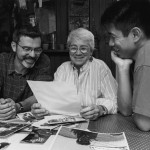
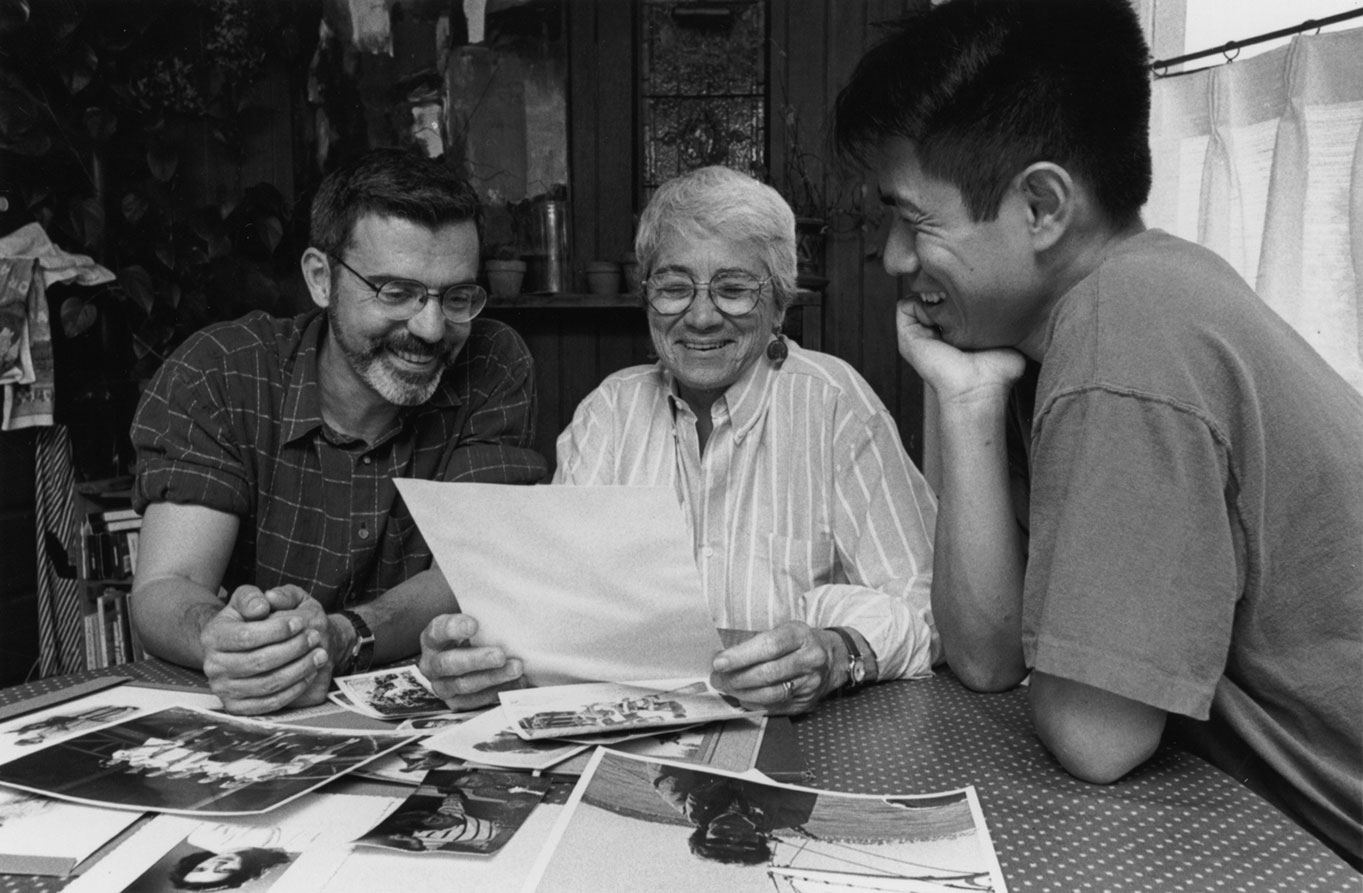
- Allan Berube, Sarah Davis, Arthur Dong. Photo by Zand Gee
Family Fundamentals
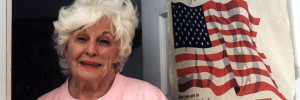
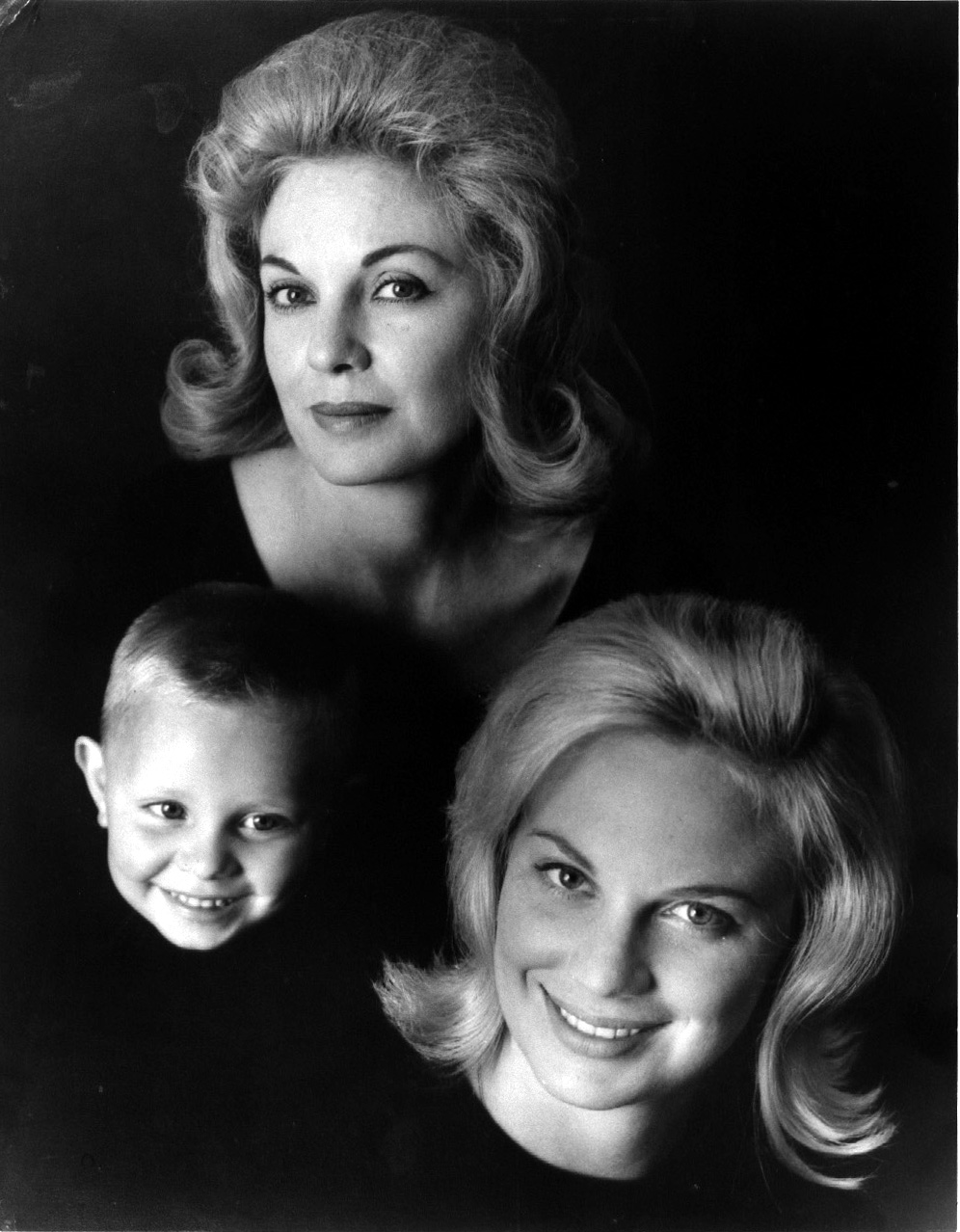 What happens when religiously conservative Christian parents have children who have “become homosexual?” Family Fundamentals is filmmaker Arthur Dong’s personal attempt to answer that explosive question. Armed with a digital camera, Dong takes viewers into the private and public lives of three families who have responded to gay offspring by actively opposing homosexuality. “Heartfelt but evenhanded, Family Fundamentals is a battlefield report from America’s disquieting culture war over gay issues” – Los Angeles Times.
Family Fundamentals goes to the heart of today’s debate over homosexuality, where the personal is inextricably — and dramatically — bound up in the political. In today’s contemporary society, sometimes even the most liberal families must find it discomfiting when gay children come out. For fundamentalist Christian families, the event can be polarizing and devastating.
Dong tackles his subject by looking into three divided families. Susan Jester is the lesbian daughter of Kathleen Bremner, a Pentecostal church leader who responded to her daughter’s coming out by forming a Christian parents’ ministry and organizing the San Diego Christian Trauma and Sexuality Conferences. In collaboration with such groups as Exodus and Focus on the Family, Bremner promotes faith and “reparative therapy” as a cure for homosexuality. She is not shy about expressing her views of homosexuality, and in exhorting her daughter, who is conversely outspoken in support of gay civil rights, to repent.
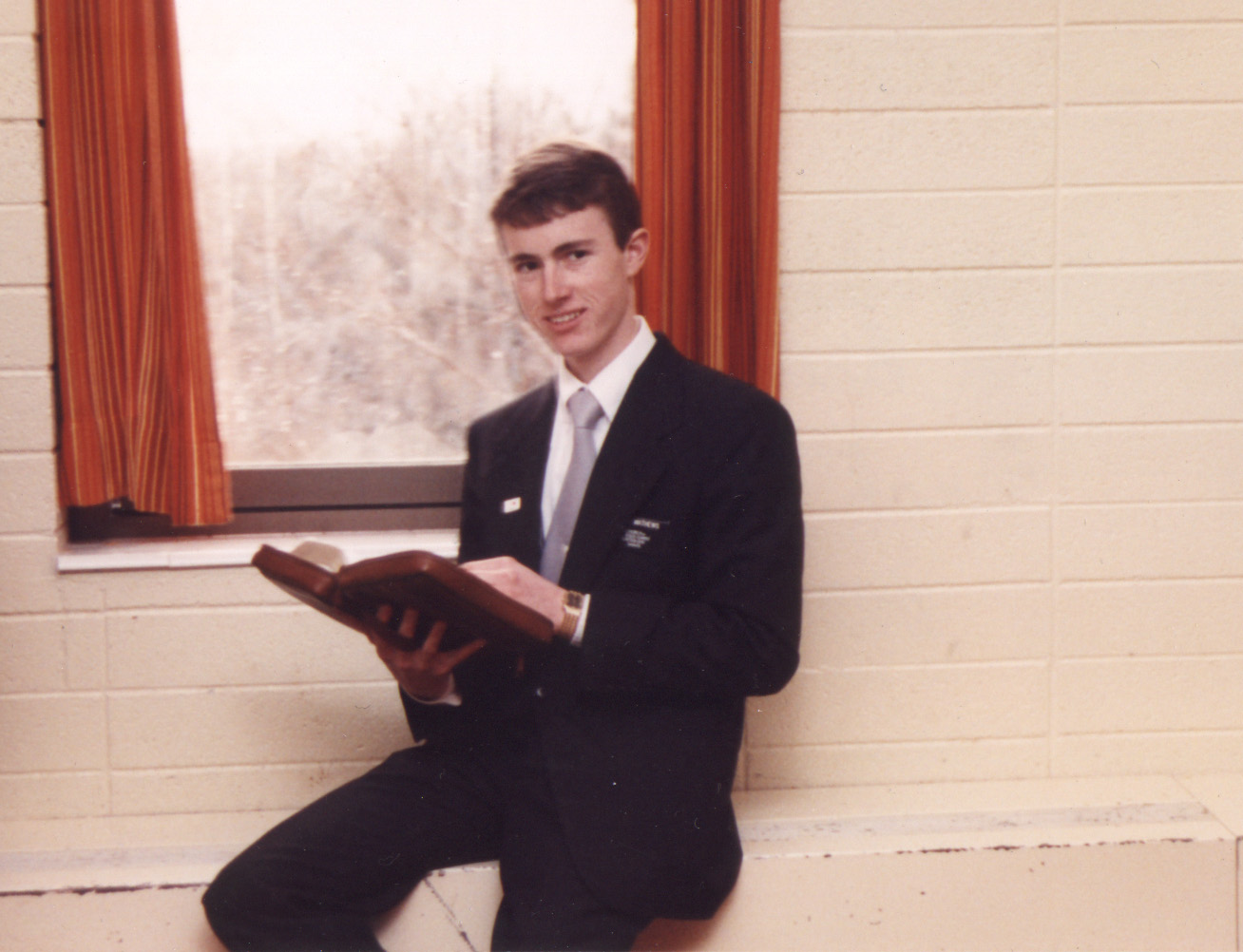
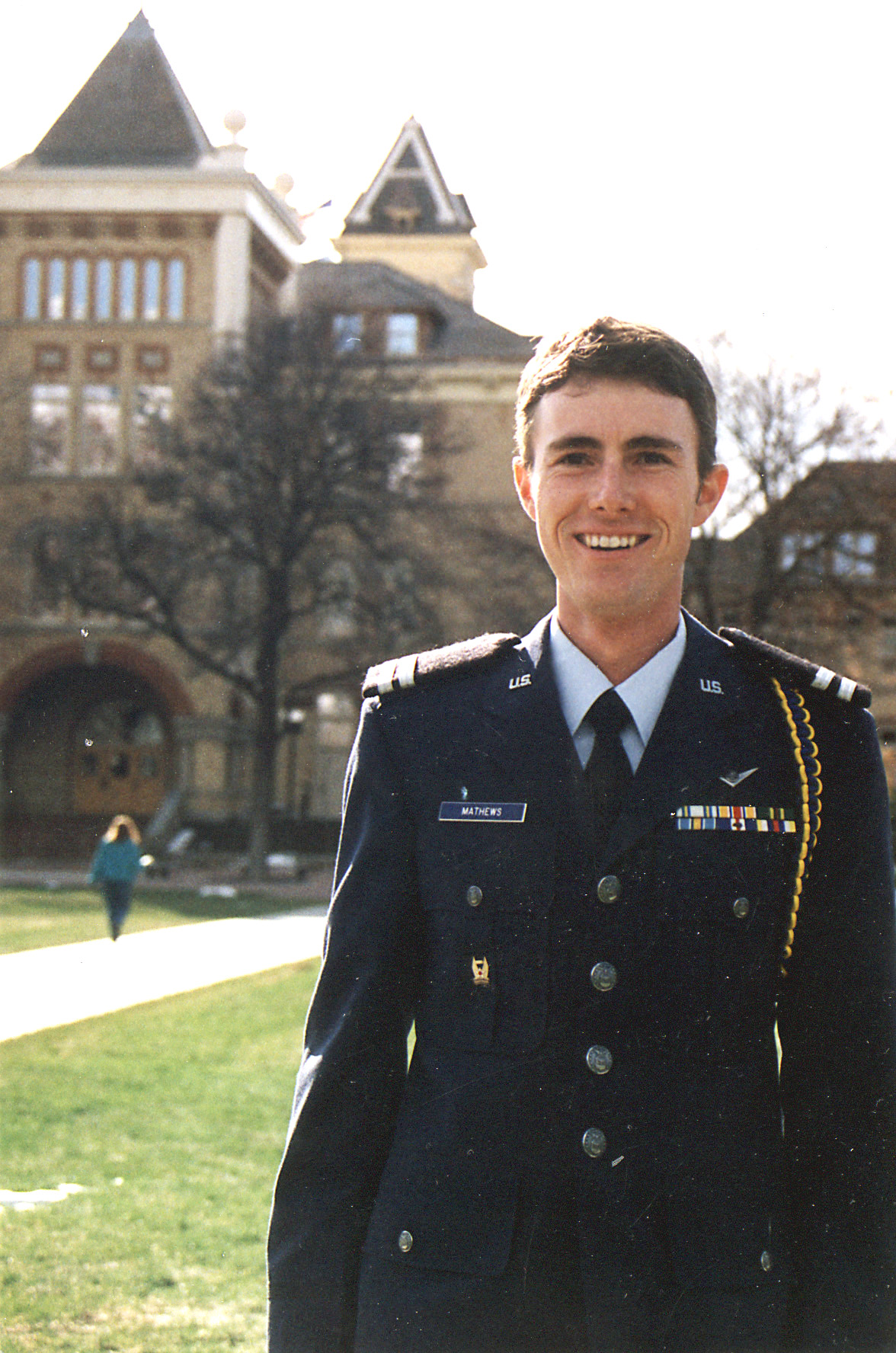 Brett Mathews, a former Air Force First Lieutenant discharged for his homosexual orientation, is the son of a Mormon bishop in rural Erda, Utah. Mathews’ family reacts to his coming out by sending him a steady stream of letters calling on him to change. His grandmother’s remarriage brings a challenge and a crisis as Mathews returns to his boyhood home for the first time since declaring his homosexuality.
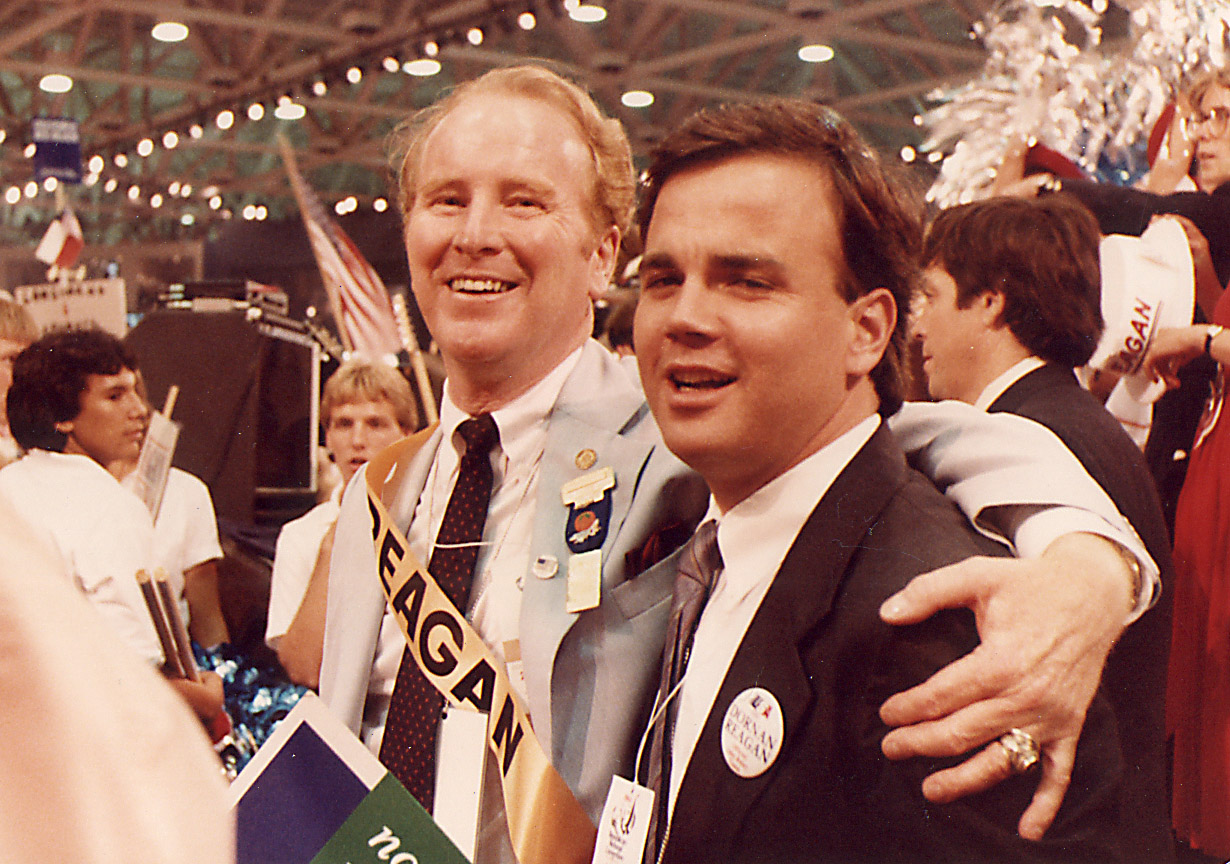
Brian Bennett’s story reveals a different kind of family — and a surprising chain of events. From 1977 to 1989, Bennett served as chief of staff, campaign manager and legislative aide to former California Congressman Bob Dornan — one of the nation’s harshest and most vocal opponents to gay rights. So close was Bennett to Dornan, with whom he shared a Catholic upbringing and political views on everything except his closeted homosexuality, that Brian became a virtual member of the Dornan family. He lived with them for six years, calling Dornan by the family nickname, “Poppy.” When Bennett came out in 1997, that close relationship was abruptly terminated and he was left to struggle with the contradictions of being a gay Republican and of still loving a father figure who rejected him for his sexual orientation.
-
- Bob Dornan & Brian Bennett
-
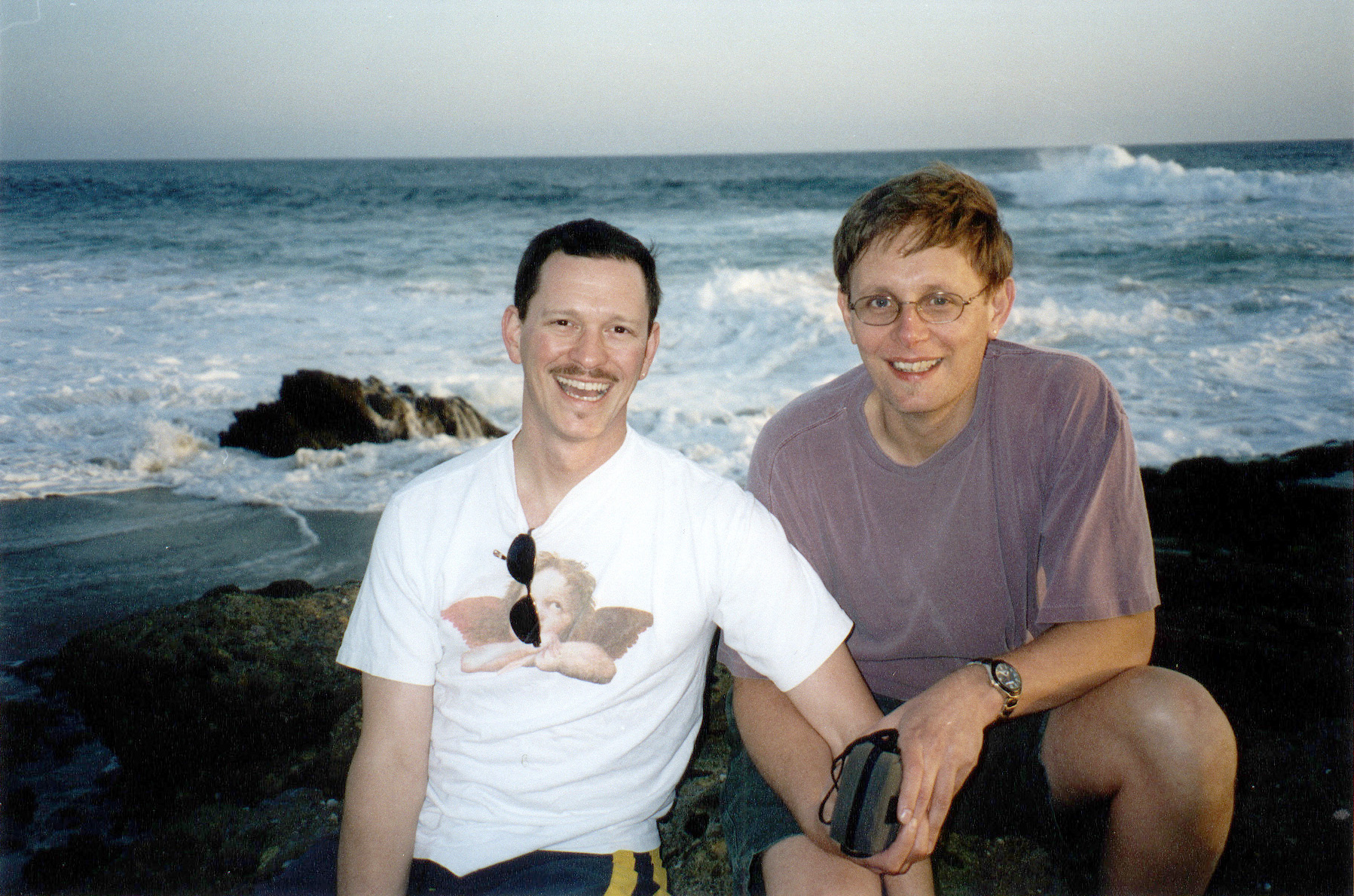
- David Jester & Guy Foti
-
- Brett Matthews
Family Fundamentals takes us inside the struggle over homosexuality in the heartland of the American family. The film, which never succumbs to easy answers, manages to convey bittersweet humor as well as deep pain over a seemingly intractable family divide. For the first time since his 1982 Oscar®-nominated film, Sewing Woman, filmmaker Arthur Dong operates the camera to capture intimate scenes with his subjects who bare their emotions over an issue which continues to tear apart families and nation.
A moving soundtrack by Emmy Award-winning composer, Mark Adler (Focus, Rat Pack, Picture Bride), underscores the poignant complexities that explode when opposing forces fail to come to terms with their deep-rooted differences. Adler’s score is his second for Dong. He first collaborated with the director on Dong’s 1994 Peabody and Sundance award-winning film, Coming Out Under Fire, which documented the World War II origins of the military’s policies on gay servicemembers.
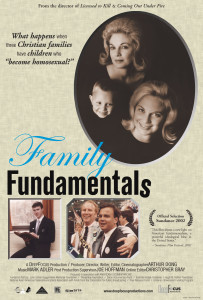 Major funding for Family Fundamentals was provided by the Guggenheim Fellowship in Filmmaking and the Theophilus Foundation. Additional support was received from the Soros Documentary Fund, Eastman Kodak Company, Hugh M. Hefner Foundation, National Asian American Telecommunications Association with funds from the Corporation for Public Broadcasting, Los Angeles Cultural Affairs Department, Paul Robeson Fund, Unitarian Universalist Funding Program, California Arts Council Visual Arts Fellowship, Columbia Foundation, Lear Family Foundation, Durfee Foundation, Theophilus Fund, Lewy Gay Values Fund, Gill Foundation, and the Jay Cohen Philanthropic Fund of the Horizons Foundation. Community outreach support was provided by the Liberty Hill Foundation’s Gay and Lesbian Community Fund.
Family Fundamentals was produced in association with American Documentary, Inc. and sponsored by the Film Arts Foundation.
Out Rage ’69 (The Question of Equality)
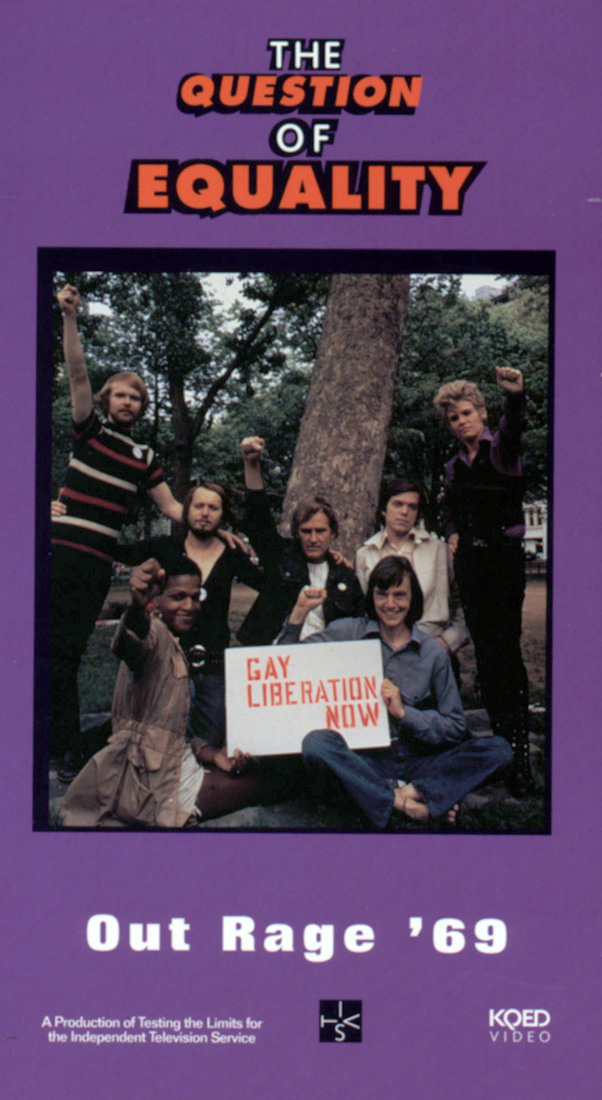
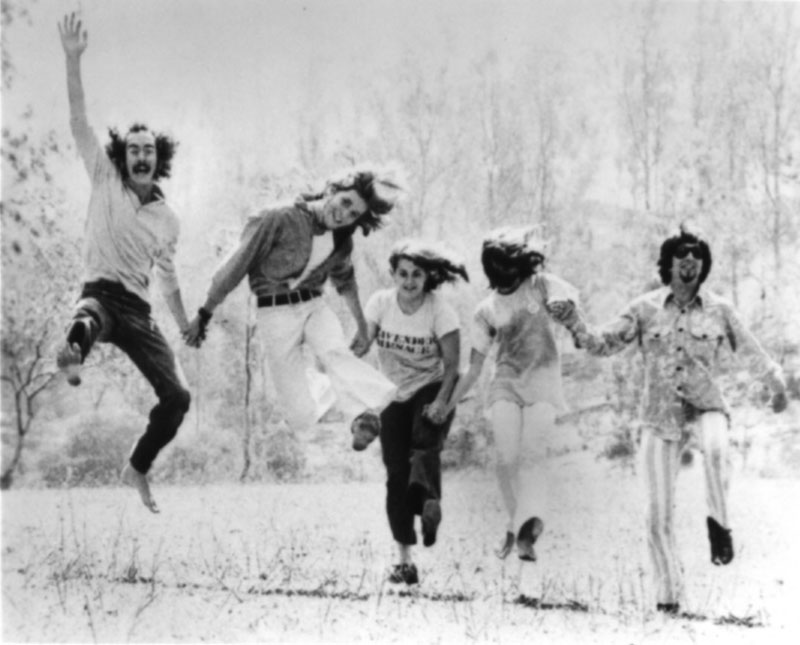 From Stonewall to Anita Bryant, to Oregon Measure 9 and “don’t ask, don’t tell,” the Gay Liberation movement has fought for equal rights in a climate of hatred, violence, intolerance, and discrimination. Out Rage ’69, produced, directed, and written by award-winning filmmaker Arthur Dong, is the first installment of The Question of Equality, a four-part film series that shows a multi-faceted history of the gay and lesbian civil rights movement.
The “69” in Out Rage ’69 refers to 1969 — a landmark year for social revolution. While the war in Vietnam escalated, so did the massive efforts of the anti-war movement, with protests raging on campuses across the country. The Black Panthers and the Young Lords took to the streets to fight for the liberation of people of color. It was the year of Woodstock and the Manson murders. While Neil Armstrong walked on the moon, the fight for sexual freedom and women’s liberation swept the nation.
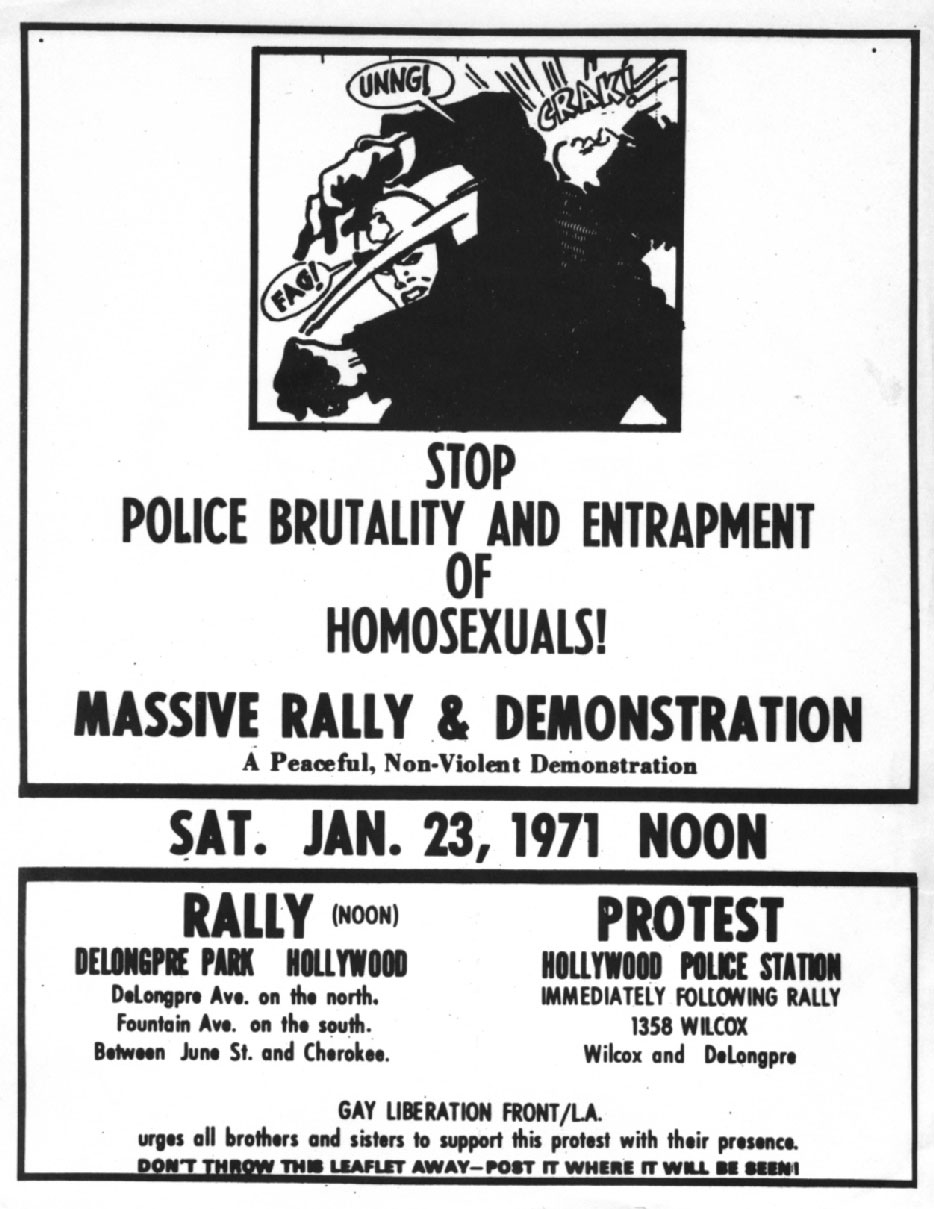 To be homosexual in the 1960s was to risk arrest. It was illegal to operate a business where gay people congregated. Consequently, organized crime controlled gay bars and police raids were frequent. It was during one of these raids, on the Stonewall Inn in Greenwich Village, New York, that the modern radical gay rights movement was born. On the eve of Judy Garland’s funeral in 1969, police stormed the Stonewall Inn and were met, for the first time, with resistance. A riot quickly ensued, spreading throughout Greenwich Village. Through archival footage and eyewitness testimony, Out Rage ’69 tells the story of Stonewall and the heady euphoria that swept throughout the gay community in its wake.
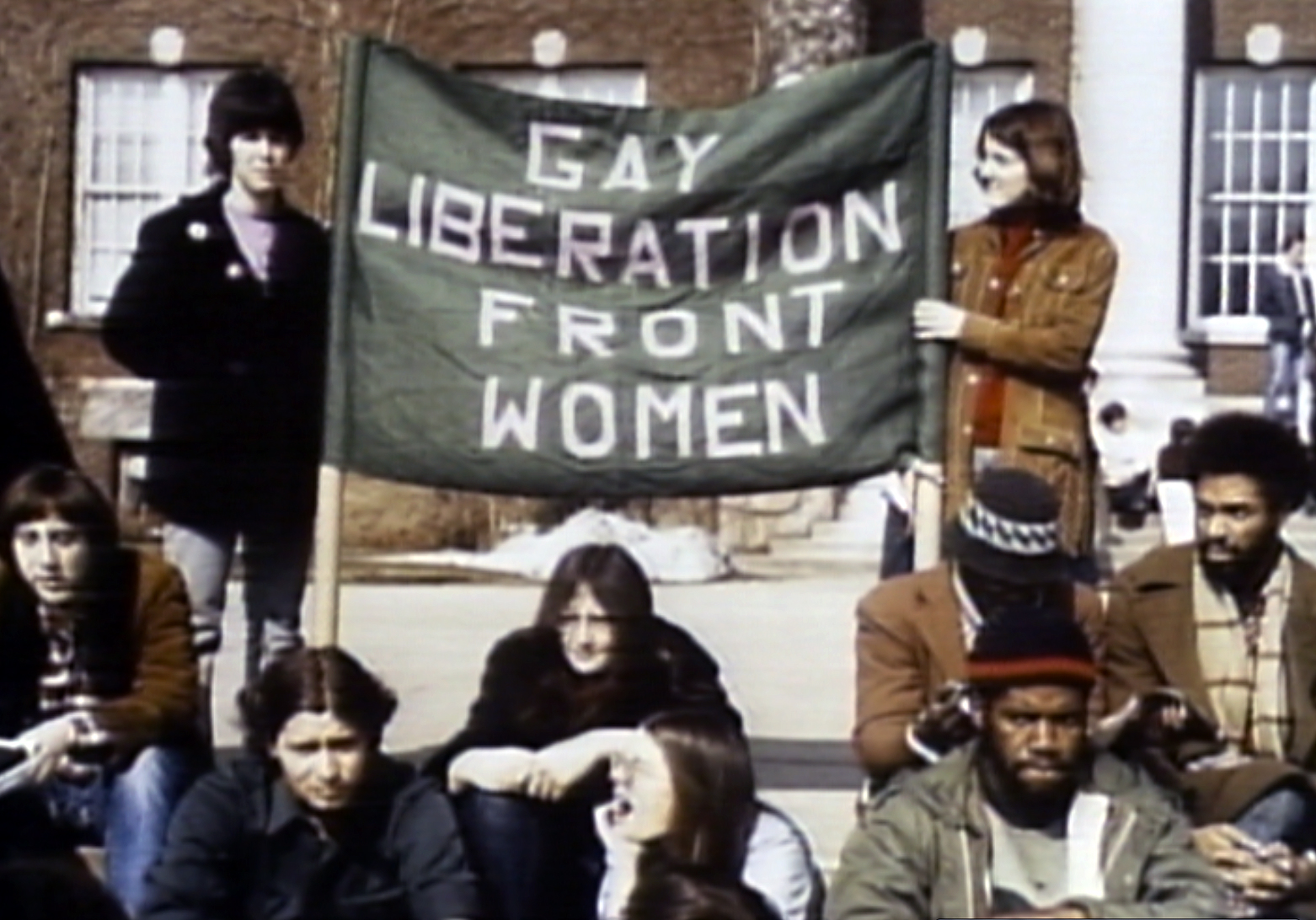 The movement spread like wildfire across the nation, with Gay Liberation Front (GLF) chapters sprouting in cities across the nation, bringing issues of gay and lesbian rights into the national consciousness. But because of the enormous diversity of the gay and lesbian population, rifts began splintering the movement around the issues of gender, class, race, ethnicity, and politics. Put off by GLF’s support of social groups with different agendas (like the Black Panthers), the Gay Activist Alliance (GAA) was formed to focus activism exclusively on lesbian and gay issues. Many women, disenchanted by the predominantly male agenda of GAA, formed other groups such as Radicalesbians and Salsa Soul Sisters. As Candice Boyce, an early lesbian activist, recalls, “[The men] weren’t conscious of the oppression of blacks and Latino and Asian people or women. This was no new fight for us.”
Working within the democratic system, the gay rights movement secured limited protective legislation. With the end of the Vietnam war and their growing social power, many gay activists began to relax their efforts and revel in the ’70s, when sexual freedom exploded to the pounding beat of disco.
The tide turned in 1977 when Anita Bryant launched her national anti-gay campaign, “Save Our Children.” Her bid to destroy legislative protection for gay and lesbian citizens struck a chord with many conservative Americans uncomfortable with the country’s rising levels of tolerance. Bryant’s campaign succeeded, marking the beginning of a visible and organized anti-gay movement as similar efforts surfaced across the country. Refusing to crawl back into the closet, activists rose up in even greater numbers, putting aside internal strife.
As Karla Jay says, “We see that we are many different communities, races, classes, all different interests. But the people who hate us see us all as one lump — they see us just as those dykes and fags and that’s why, on some level, we’ll always have to stick together and we’ll always have to fight together.”
Now Available on Blu-ray in two collections: Arthur Dong’s LGBTQ Stories and The Arthur Dong Collection.
Claiming a Voice: The Visual Communications Story
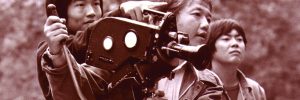
1969: Campus strikes. Anti-war protests. Civil rights demonstrations. American politics and culture were changing. Third World communities sought self-determination and the Asian American movement sprang up from storefront organizations all across the nation. And out of this turmoil came Visual Communications.
CLAIMING A VOICE: THE VISUAL COMMUNICATIONS STORY is a one-hour documentary chronicling the twenty-year history of the first arts group dedicated to productions by and about Asian Pacific Americans. Combining interviews with clips from over twenty Visual Communications films, this video traces the important role alternative media played in the Asian American movement.
CLAIMING A VOICE: THE VISUAL COMMUNICATIONS STORY shows how one grassroots organization survived budget cuts, Hollywood, and the collective process of the sixties to control their own images on screens, large and small. The stories of Visual Communications members along with those of jazz fusion band Hiroshima, poet Lawson Inada, and actors Pat Morita and Mako are among the many in this documentary which reflect personal commitments to claiming a voice in media.
CLAIMING A VOICE: THE VISUAL COMMUNICATIONS STORY was commissioned by the Los Angeles-based Visual Communications to commemorate their 20th anniversary (VC will be celebrating their 30th in the year 2000). Written and directed by Arthur Dong in association with DeepFocus Productions.
Director, Writer
Arthur Dong
Editor
Walt Louie
Associate Producer
Cheryl Yoshioka
Public
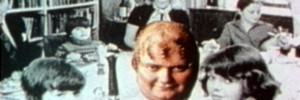
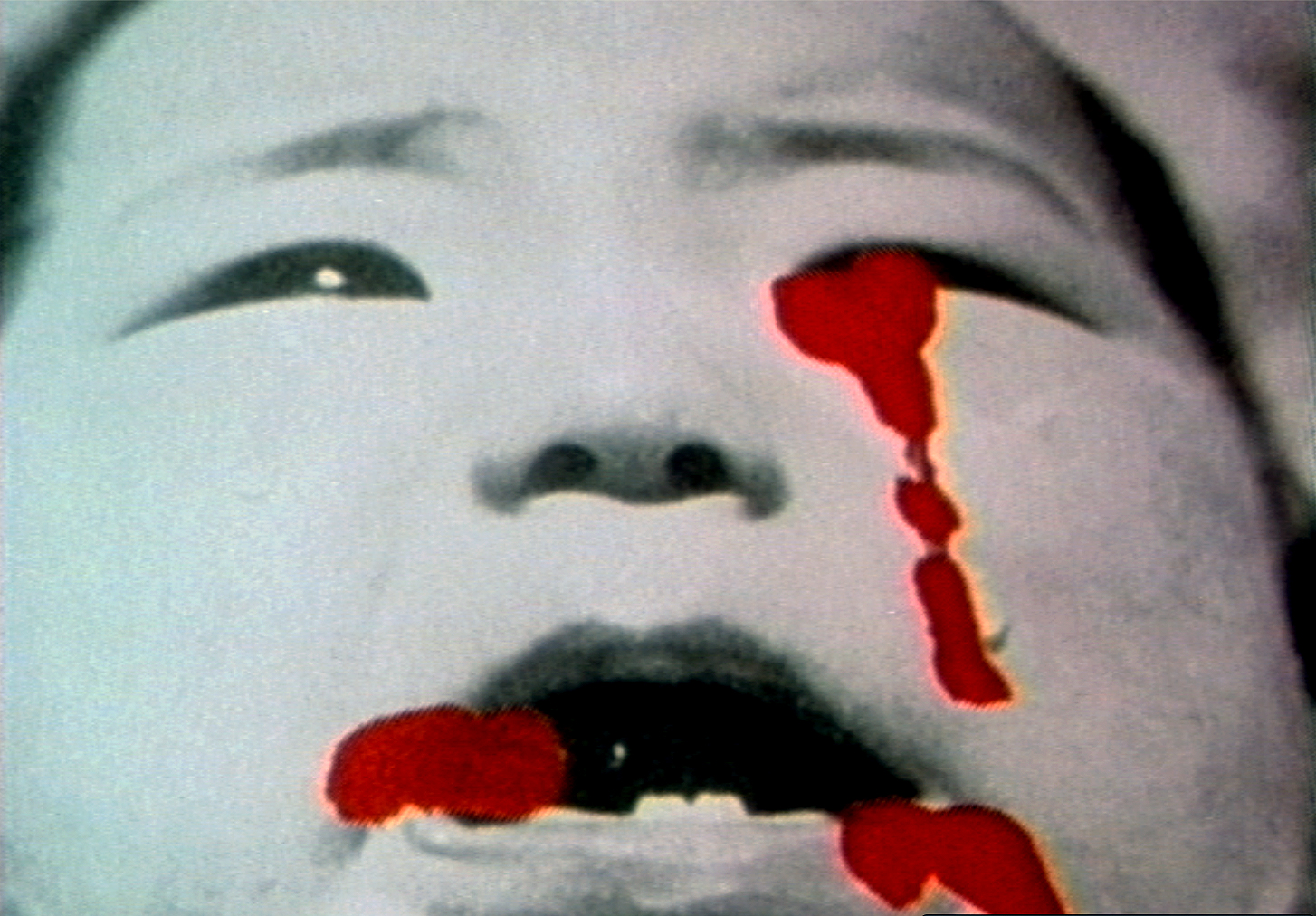
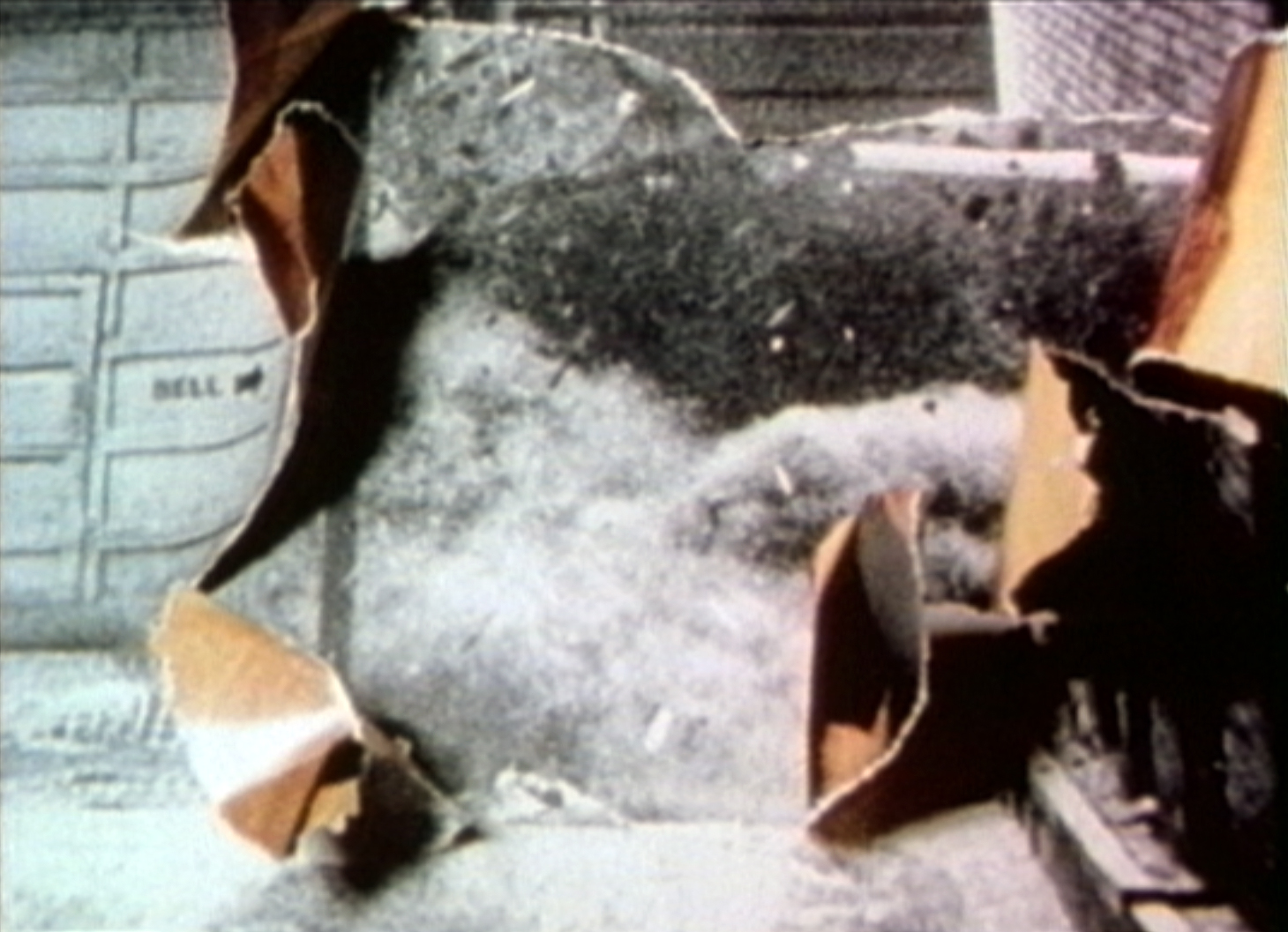
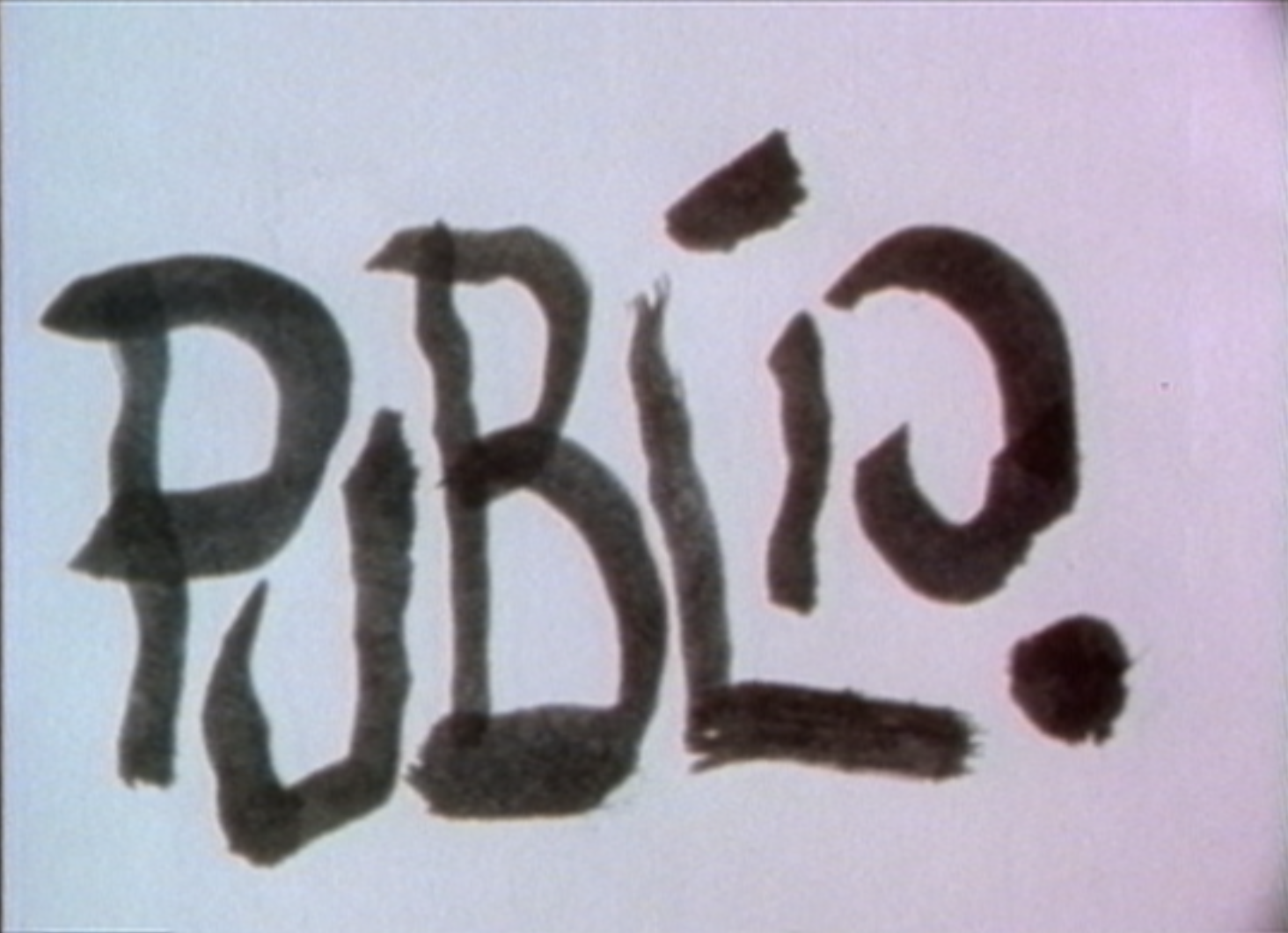
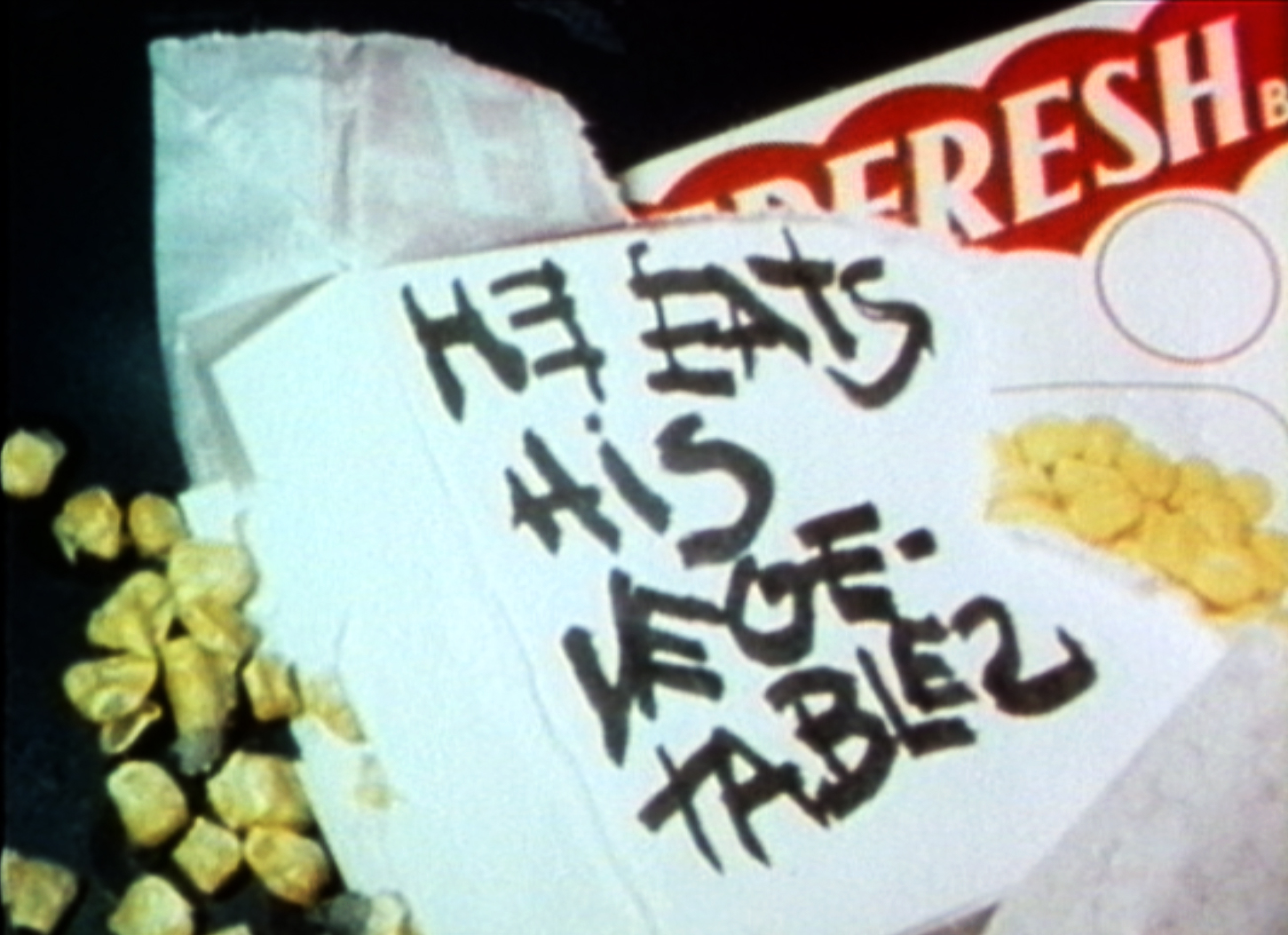
Public (1970) was based on a poem written by filmmaker Arthur Dong and marks his debut as an artist whose work continues to delve into the politics and human tragedy of social injustice. This raw, animated film combines words from Dong’s poem with pixilated images to dramatize a child’s explosive reactions to social mores and the Viet Nam War.
Produced, directed, written, edited, and photographed in by the teen-aged filmmaker on the bedroom floor of his San Francisco Chinatown home, Public was an outcome of a pilot program to introduce film production to students at Galileo High School (now the Galileo Academy of Science and Technology). The five-minute film would go on to earn first prize at the California High School Film Festival.
A decade later, Public found new audiences. The San Francisco International Gay and Lesbian Film Festival programmed the film twice, in 1981 and 1983, calling it “a powerful new-wave indictment of the current social send up”. The 1982 Poetry Film Festival’s director Herman Berlandt wrote: “This is the best Super-8 poetry film I’ve received in all the seven Poetry Film Festivals and the first to receive top prize”. The following year, the Humboldt International Film Festival honored the film with a Judges Award.
Ultimately, Public is a disturbing commentary on the normalization of oppression and the state of violence in America — a theme Dong revisits in his 1997 film on murderers of gay men, Licensed to Kill.
Read a related essay here.
- Public was restored in 2024 from an original Super-8 print, with a new score by Mark Adler.
Producer, Director, Editor, Writer, Animator
Arthur Dong
Living Music for Golden Mountains
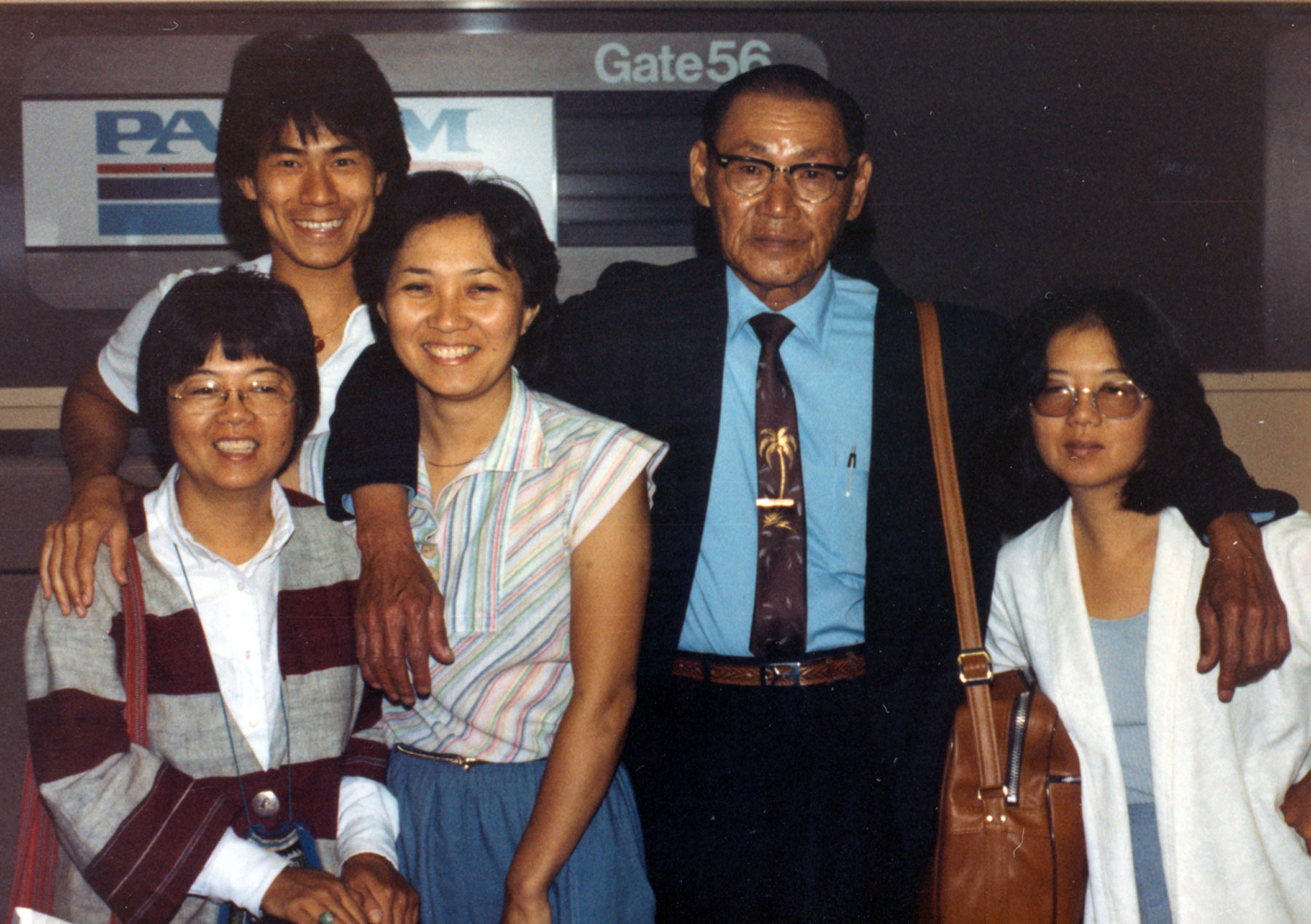 In 1936, Leo Lew immigrated to America, the “land of golden mountains,” from his native southern China. He came seeking fortune but discovered instead a mission closer to his heart — passing on the deep-rooted traditions of Cantonese folk music to new generations of Chinese Americans.
Living Music For Golden Mountains traces Lew’s life in America and shows some of the many problems facing the elderly in San Francisco’s Chinatown. It also celebrates his enduring love of his native music and his commitment to sharing that love with young Chinese Americans eager to know their cultural heritage. Highlights include several of his virtuosos performances, both solo and with the Flowing Stream Ensemble, as well as a revealing teaching session that shows how he works with and motivates students.
Living Music For Golden Mountains was produced by Arthur Dong and Elizabeth Meyer, and marks Dong’s documentary directorial debut, earning the young filmmakers a 1981 Student Academy Award® nomination for best documentary.
DVD versions are out-of-print.
Director
Arthur Dong
Producers
Arthur Dong, Elizabeth Meyer
Screen Adaptation
Arthur Dong, Elizabeth Meyer
Based on an Idea by
Arthur Dong
Cinematographer
Elizabeth J. Meyer
Re-Recording Mixer
Bob Marty
Lotus
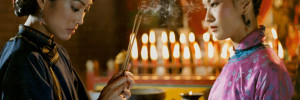
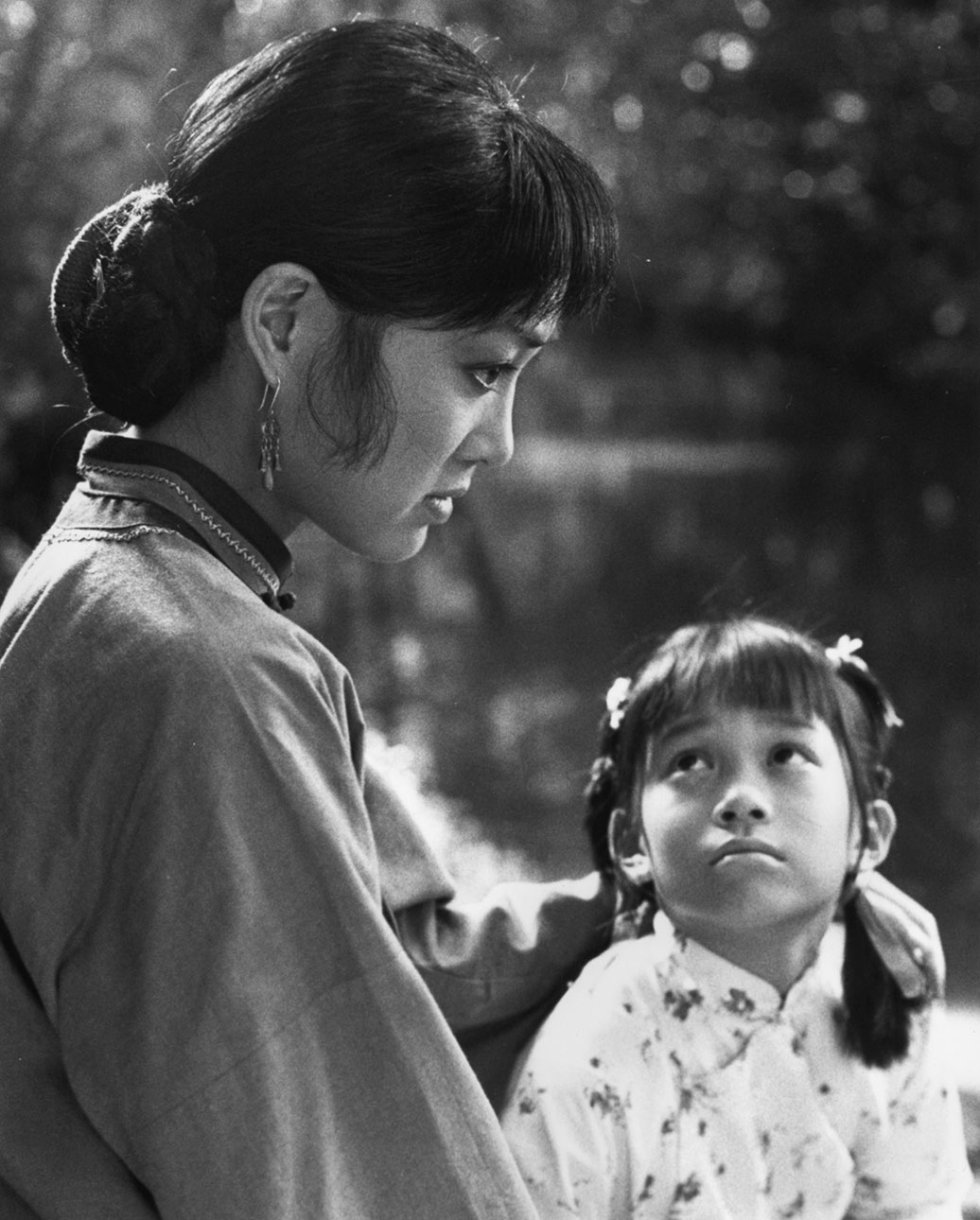
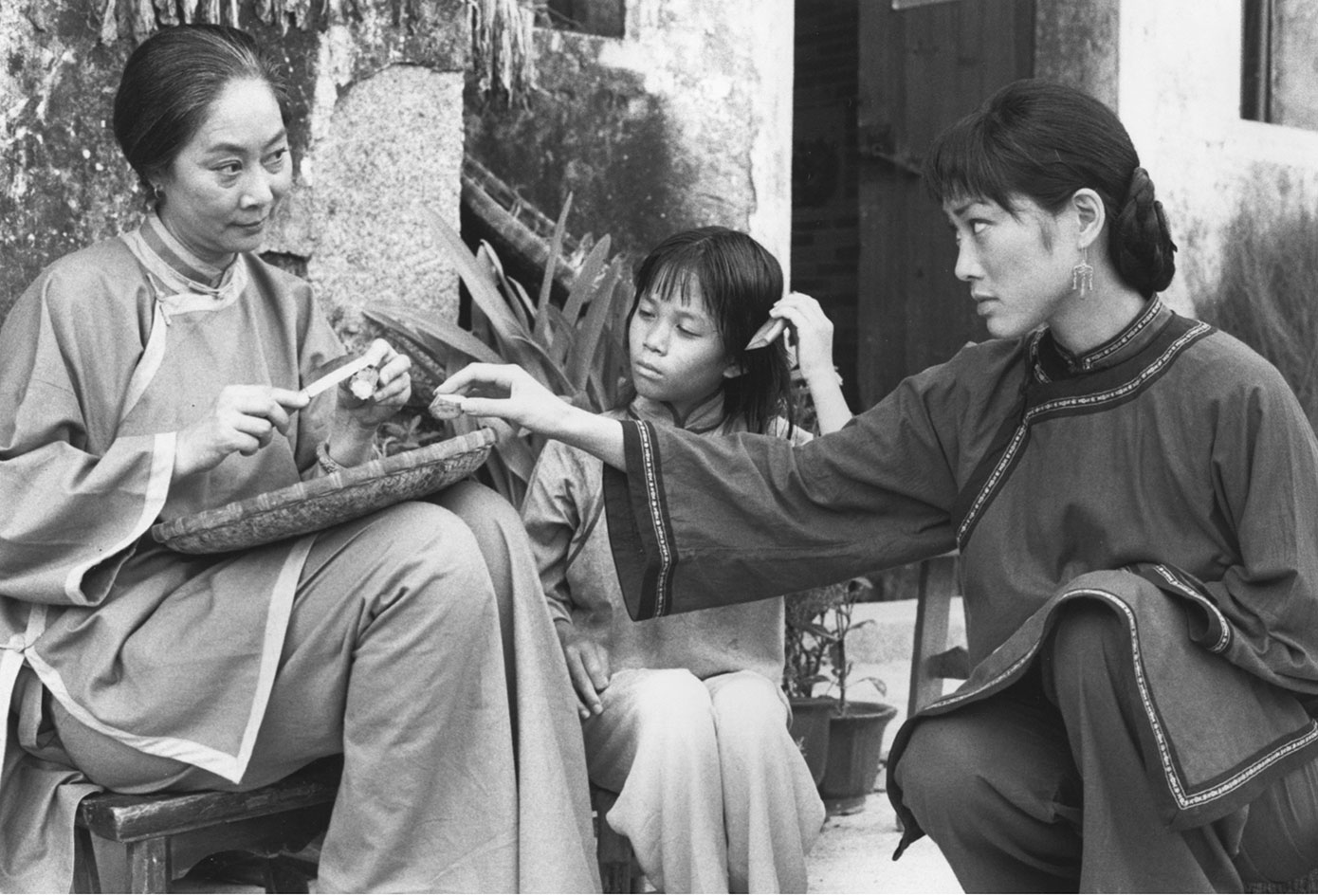
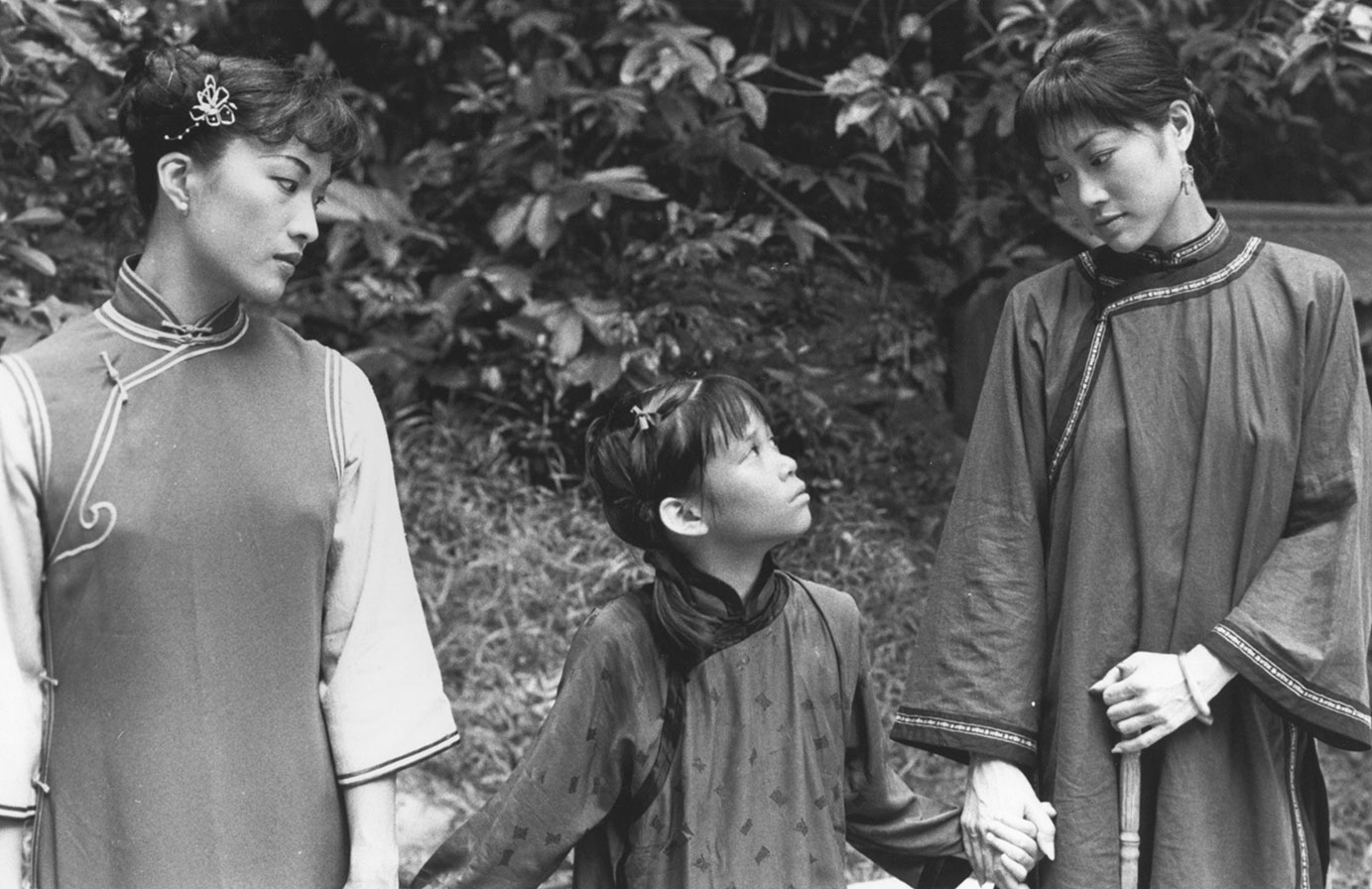
For more than thirty cent uries, women in China were maimed and crippled in the name of beauty and obedience. The custom was called “footbinding,” and the fight against it triggered one of the biggest, most overlooked struggle for human rights in history.Lotus is a half-hour narrative film set in this turmoil.
The place is rural 1914 China and the film focuses on Lotus, a traditional woman with bound feet who must decide whether or not to bind her daughter Joy’s feet. Her strict, but loving Mother-in-law insists that Joy’s feet be bound in order to guarantee her a secure future. Lotus, for the first time in her life does not blindly obey. She is further influenced by her good friend, Coral, a colorful performer with a traveling Cantonese opera troupe who openly challenges the outlawed custom. In the end, Lotus makes a decision which will change her daughter’s life forever.
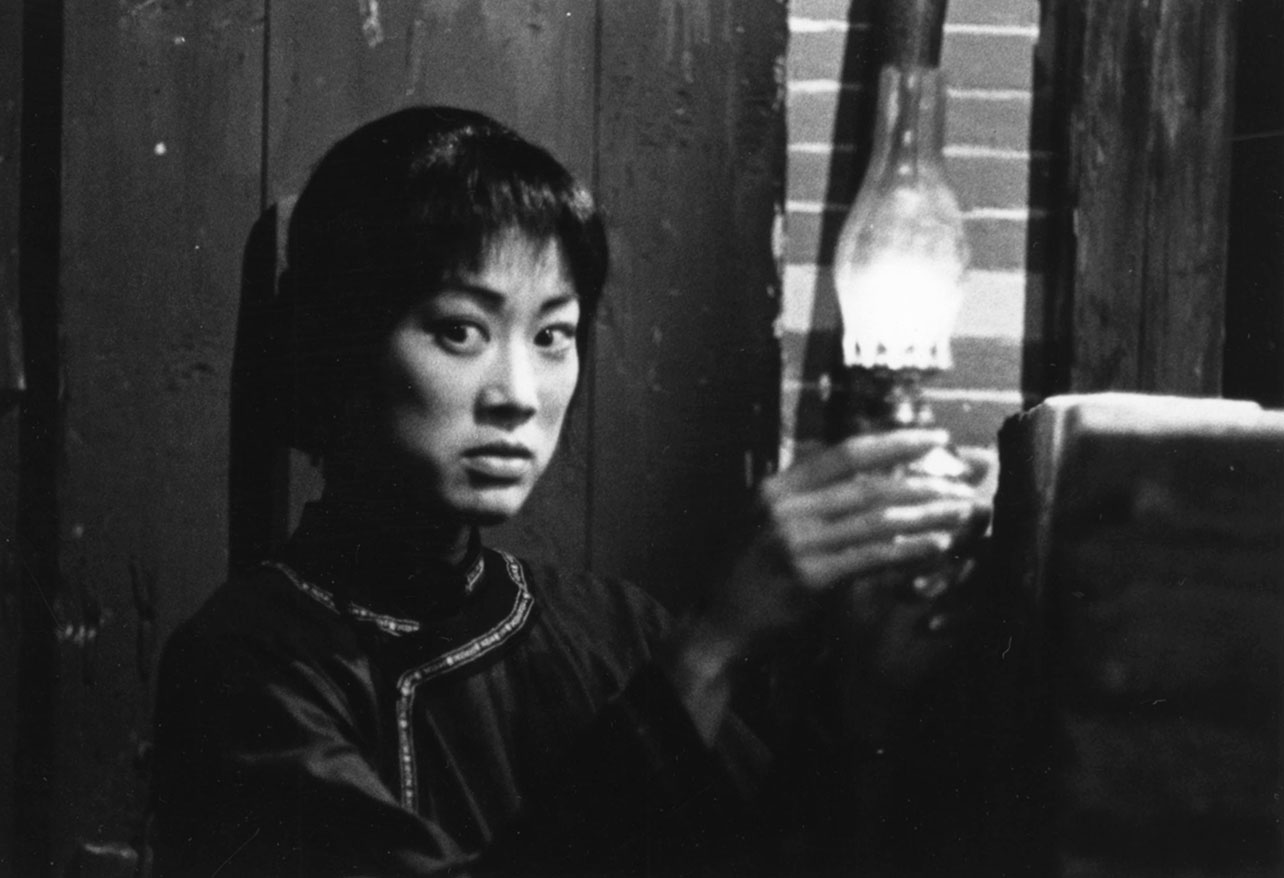 Starring as the beautiful Lotus, and also composing the soundtrack is Private Music recording artist, Lucia Hwong. Hwong appeared in and scored the Tony-Awarding winning Broadway production of M. Butterfly. Playing the role of Mother-in-law is veteran actress, Lisa Lu, real-life mother of Hwong. Lu is the winner of three Chinese Oscars and starred in Joy Luck Club as one of three mothers and played the Empress Dowager in the The Last Emperor.
Lotus was shot in vivid 35mm film on location in the remote village of Luk Keng, a mile under the China border in Hong Kong. Directing this independent production was Peabody Award winner and Oscar nominated filmmaker, Arthur Dong. The American Film Institute funded film was produced by Dong and Rebecca Soladay who also wrote the screenplay.